
Alternative to Circumcision
✔ Medically reviewed by Dr. Ashutosh Shah — M.B., M.S., M.Ch., D.N.B., Board-Certified Plastic & Cosmetic Surgeon, Director of Elegance Clinic, Surat (22+ years’ experience).
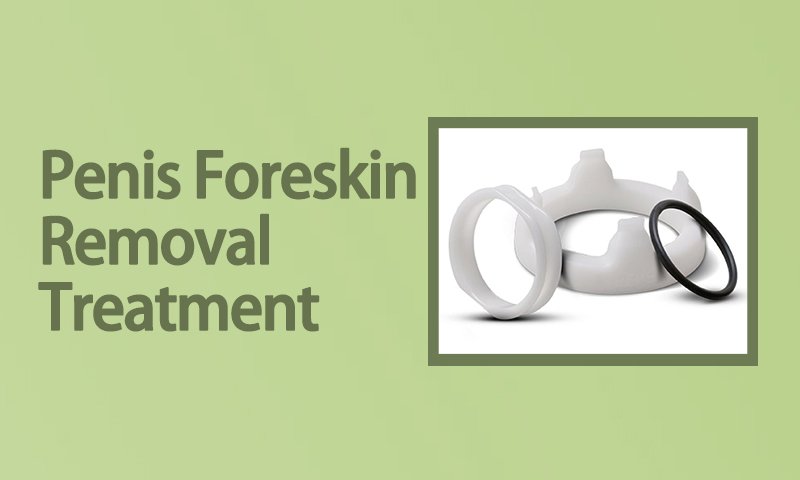
Circumcision is a common treatment for conditions affecting the foreskin. However, not every patient requires complete removal of the foreskin. Depending on the severity of the condition, some individuals may be suitable candidates for foreskin-preserving procedures that improve function while maintaining natural anatomy.
The decision depends on factors such as the patient's symptoms, foreskin condition, medical history, hygiene concerns, and personal preferences. A thorough clinical evaluation helps determine the most appropriate treatment option.
Why Do Some Patients Look for Alternatives to Circumcision?
Many patients prefer to preserve the foreskin whenever possible. Some individuals seek alternatives due to personal, cultural, cosmetic, or functional reasons.
Common reasons include:
- Desire to retain the foreskin
- Mild to moderate phimosis
- Cosmetic concerns
- Personal preference
- Fear of surgery
- Interest in less invasive treatment options
- Preservation of natural anatomy
In selected cases, alternative procedures may effectively relieve symptoms without complete foreskin removal.
Conditions That May Be Treated Without Full Circumcision
Certain foreskin-related problems may sometimes be managed with foreskin-preserving treatments.
Mild Phimosis
Phimosis occurs when the foreskin cannot be fully retracted over the head of the penis. In mild or moderate cases, alternatives to circumcision may be considered.
Short Frenulum (Frenulum Breve)
A short frenulum may cause tightness, discomfort, or pain during erection or intercourse. In many cases, treatment can be performed without removing the foreskin.
Recurrent Foreskin Tightness
Some patients experience foreskin tightness without severe scarring. Depending on the condition, corrective procedures may help improve mobility and function.
Preputioplasty: A Common Alternative to Circumcision
Preputioplasty is a foreskin-preserving surgical procedure that widens the tight portion of the foreskin without removing it completely.
The procedure aims to:
- Improve foreskin retraction
- Relieve tightness
- Preserve natural foreskin tissue
- Improve hygiene
- Reduce discomfort during erections
Preputioplasty is often considered in patients with mild to moderate phimosis who wish to retain their foreskin.
Frenuloplasty as an Alternative to Circumcision
Frenuloplasty is another procedure that may help selected patients avoid circumcision.
The surgery focuses on correcting a short or tight frenulum, which is the band of tissue connecting the foreskin to the underside of the penis.
Benefits of frenuloplasty may include:
- Improved foreskin movement
- Reduced discomfort
- Better flexibility during erections
- Preservation of the foreskin
- Improved sexual comfort
For patients whose symptoms are primarily caused by a short frenulum, frenuloplasty may provide effective relief without circumcision.
Conservative Treatment Options
In some mild cases, non-surgical management may be considered before surgery.
These options may include:
- Topical medications
- Stretching exercises under medical guidance
- Improved hygiene practices
- Treatment of underlying infections or inflammation
The success of conservative treatment depends on the severity of the condition and patient compliance.
Benefits of Foreskin-Preserving Procedures
Many patients choose alternative treatments because they offer several advantages.
Potential benefits include:
- Preservation of natural anatomy
- Reduced tissue removal
- Improved foreskin function
- Relief from tightness and discomfort
- Faster recovery in selected cases
- Cosmetic preservation
- Improved hygiene and comfort
However, not every patient is a suitable candidate for these procedures.
When Is Circumcision Still Recommended?
Although alternatives can be effective in selected cases, circumcision may still be the best option for patients with:
- Severe phimosis
- Extensive scarring of the foreskin
- Recurrent balanitis
- Repeated infections
- Paraphimosis
- Chronic foreskin inflammation
- Failed previous conservative treatments
In these situations, circumcision may provide a more definitive long-term solution.
How Is the Right Treatment Decided?
Treatment selection depends on:
- Severity of foreskin tightness
- Presence of scarring
- Frequency of infections
- Patient age
- Personal preference
- Functional symptoms
- Overall penile health
A detailed examination helps determine whether a foreskin-preserving procedure or circumcision is the most appropriate option.
Alternative to Circumcision Treatment at Dr. Ashutosh Shah's Clinic
At Dr. Ashutosh Shah's Clinic, patients undergo a comprehensive evaluation before treatment recommendations are made. Whenever appropriate, foreskin-preserving procedures such as Preputioplasty and Frenuloplasty may be considered for suitable candidates.
The goal is to provide individualized treatment that balances functionality, comfort, cosmetic outcome, and patient preference.
Recovery After Foreskin-Preserving Procedures
Recovery is generally straightforward.
Patients may experience:
- Mild swelling
- Temporary sensitivity
- Minor discomfort
- Gradual improvement in foreskin movement
Following postoperative instructions carefully helps support proper healing and long-term results.
Conclusion
Circumcision is not the only treatment option for foreskin-related conditions. In selected patients, alternatives such as Preputioplasty and Frenuloplasty may effectively relieve symptoms while preserving the foreskin. The most suitable treatment depends on the severity of the condition, patient goals, and clinical findings. A proper medical evaluation helps determine the safest and most effective approach for long-term comfort and function.
Frequently Asked Questions
What is the best alternative to circumcision?
Preputioplasty and Frenuloplasty are among the most common surgical alternatives to circumcision for suitable patients with foreskin-related concerns.
Can phimosis be treated without circumcision?
Yes. Mild to moderate phimosis may sometimes be treated with foreskin-preserving procedures or conservative management depending on the severity.
What is Preputioplasty?
Preputioplasty is a foreskin-preserving procedure that widens the tight portion of the foreskin without removing it completely.
Can Frenuloplasty replace circumcision?
In patients with a short frenulum as the main cause of symptoms, Frenuloplasty may provide effective relief without requiring circumcision.
Are alternatives to circumcision permanent?
Many foreskin-preserving procedures provide long-term improvement, although outcomes depend on the underlying condition and individual healing response.