
Paraphimosis
✔ Medically reviewed by Dr. Ashutosh Shah — M.B., M.S., M.Ch., D.N.B., Board-Certified Plastic & Cosmetic Surgeon, Director of Elegance Clinic, Surat (22+ years’ experience).
What Is Paraphimosis?
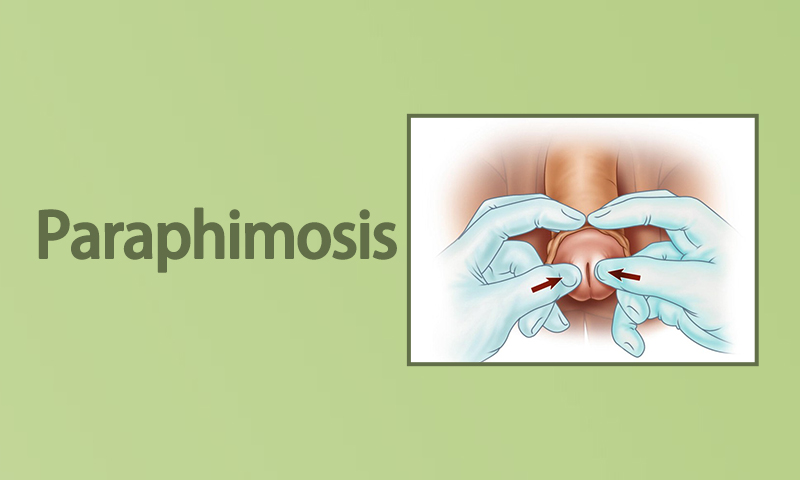
Paraphimosis is a medical emergency that occurs when the foreskin is pulled back behind the head of the penis (glans) and cannot be returned to its normal position. This can lead to swelling, pain, restricted blood flow, and potential tissue damage if not treated promptly. Early diagnosis and treatment are important to prevent complications. Paraphimosis is often associated with a tight foreskin and may occur in uncircumcised males.
Common Symptoms of Paraphimosis
Patients with paraphimosis may experience:
- Swelling of the foreskin and glans
- Pain or discomfort in the penis
- Difficulty pulling the foreskin forward
- Redness and inflammation
- Tight constricting band behind the glans
- Difficulty urinating in severe cases
- Tenderness or sensitivity
Seeking immediate medical attention can help prevent serious complications.
Causes of Paraphimosis
Several factors may contribute to paraphimosis, including:
- Tight foreskin (phimosis)
- Forceful retraction of the foreskin
- Infections of the foreskin or glans
- Injury or trauma to the penis
- Improper replacement of the foreskin after catheterization
- Recurrent inflammation
Understanding the underlying cause helps determine the most effective treatment approach.
Treatment Options for Paraphimosis
The treatment depends on the severity of the condition.
Manual Reduction
In mild cases, the foreskin may be carefully returned to its normal position after reducing swelling.
Dorsal Slit Procedure
A dorsal slit may be performed to relieve the constriction and restore blood flow when manual reduction is unsuccessful. This procedure helps relieve the strangulation caused by paraphimosis.
Circumcision
Circumcision may be recommended as a permanent solution to prevent recurrence, especially in patients with tight foreskin or repeated episodes of paraphimosis.
Why Early Treatment Is Important
Delaying treatment can result in:
- Severe swelling
- Reduced blood circulation
- Tissue damage
- Infection
- Difficulty passing urine
- Increased treatment complexity
Prompt medical care can help preserve normal function and prevent long-term complications.
Recovery After Treatment
Most patients recover well after appropriate treatment. Recovery recommendations may include:
- Maintaining proper hygiene
- Taking prescribed medications
- Avoiding sexual activity until healing is complete
- Attending follow-up appointments
- Monitoring for swelling or signs of infection
Following your surgeon's instructions can help ensure smooth healing.
Frequently Asked Questions
Is paraphimosis an emergency?
Yes. Paraphimosis requires prompt medical evaluation because prolonged constriction can affect blood flow to the glans penis.
Can paraphimosis go away on its own?
In most cases, medical treatment is necessary. Delaying care may increase the risk of complications.
What causes paraphimosis?
The condition often occurs when a retracted foreskin is not returned to its normal position, especially in individuals with tight foreskin.
Can circumcision prevent paraphimosis?
Yes. Circumcision removes the foreskin and eliminates the risk of recurrent paraphimosis.
Is surgery always required?
Not always. Some cases can be treated with manual reduction, while severe or recurrent cases may require a dorsal slit procedure or circumcision.
How long does recovery take?
Recovery depends on the treatment performed, but most patients return to normal activities within a short period after appropriate care.