Pediatric Circumcision
✔ Medically reviewed by Dr. Ashutosh Shah — M.B., M.S., M.Ch., D.N.B., Board-Certified Plastic & Cosmetic Surgeon, Director of Elegance Clinic, Surat (22+ years’ experience).
.jpg)
Understanding Pediatric Circumcision
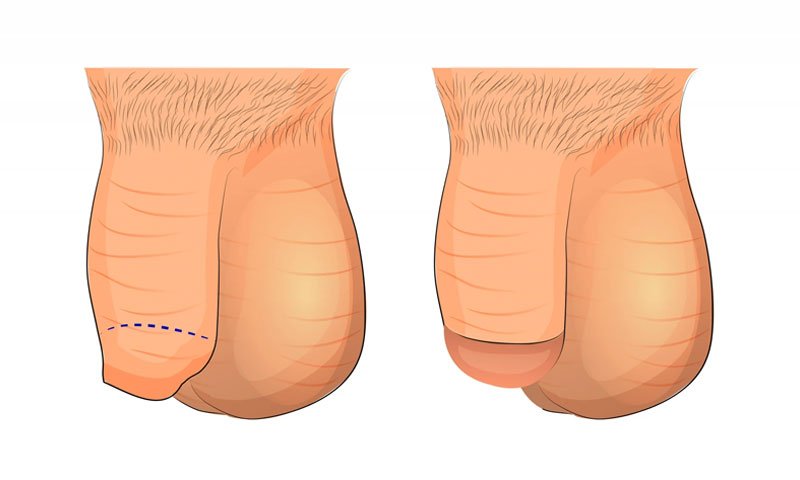
Pediatric circumcision is a surgical procedure performed to remove the foreskin covering the tip of the penis in infants, children, or adolescents. The procedure may be performed for medical, cultural, religious, or personal reasons. Circumcision is one of the most commonly performed surgical procedures worldwide and can help improve hygiene and prevent certain foreskin-related conditions.
When Is Pediatric Circumcision Recommended?
A pediatric circumcision may be recommended for children who experience:
- Tight foreskin (Phimosis)
- Recurrent foreskin infections
- Repeated urinary tract infections
- Difficulty cleaning beneath the foreskin
- Paraphimosis (foreskin trapped behind the glans)
- Persistent inflammation of the foreskin or glans
Early evaluation by an experienced surgeon can help determine the most appropriate treatment approach.
Benefits of Pediatric Circumcision
Improved Hygiene
Circumcision makes it easier to clean the penis and maintain proper hygiene.
Reduced Risk of Infections
The procedure may help reduce foreskin infections and certain urinary tract infections.
Prevention of Foreskin Problems
Circumcision eliminates the risk of conditions such as phimosis and recurrent foreskin inflammation.
Long-Term Convenience
Many parents choose circumcision to avoid future foreskin-related complications and medical procedures.
How Is Pediatric Circumcision Performed?
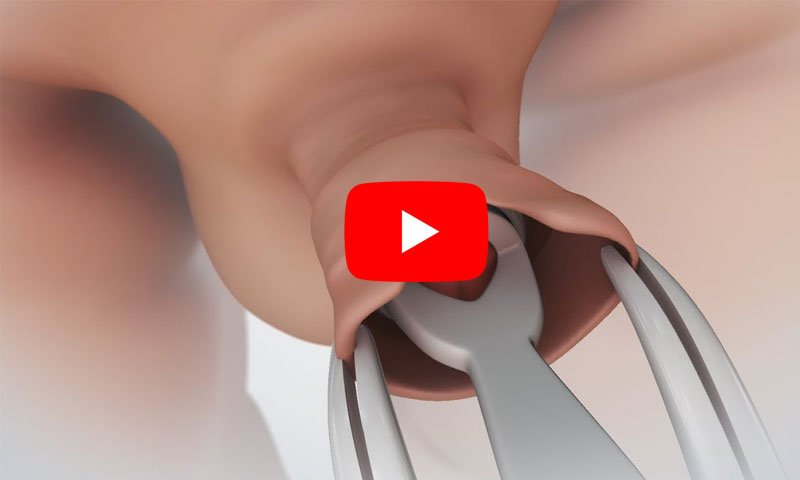
The procedure is typically performed under appropriate anesthesia based on the child's age and medical condition. The foreskin is carefully removed using modern surgical techniques to ensure safety, precision, and optimal healing.
Depending on the child's age and individual needs, different circumcision methods may be recommended by the surgeon. Modern techniques can offer reduced discomfort and faster recovery.
Recovery After Pediatric Circumcision
Most children recover smoothly following circumcision. Parents are usually advised to:
- Keep the area clean and dry
- Follow prescribed medication instructions
- Avoid tight clothing during recovery
- Attend follow-up appointments if advised
- Monitor healing and report any unusual symptoms
Mild swelling or discomfort during the first few days is common and generally improves as healing progresses.
Why Parents Choose Pediatric Circumcision
Parents often consider pediatric circumcision because:
- It can help maintain genital hygiene
- Certain foreskin problems can be prevented
- Recovery is often easier in younger children
- It may reduce the likelihood of future foreskin-related procedures
- Cultural or religious preferences may support circumcision
Frequently Asked Questions
What is pediatric circumcision?
Pediatric circumcision is the surgical removal of the foreskin in infants, children, or adolescents.
At what age can circumcision be performed?
Circumcision can be performed at various ages, including infancy and childhood, depending on medical needs and parental preference.
Is pediatric circumcision safe?
When performed by an experienced surgeon using proper surgical techniques, pediatric circumcision is generally considered a safe procedure.
How long does recovery take?
Most children recover within a few days to a few weeks, depending on age and the surgical method used.
Will my child need to stay in the hospital?
Many circumcision procedures are performed as daycare surgeries, allowing the child to return home on the same day.
Can circumcision help with phimosis?
Yes. Circumcision is considered a definitive treatment for phimosis and other foreskin-related problems.