Who Is a Good Candidate for Scar Revision? A Self-Check
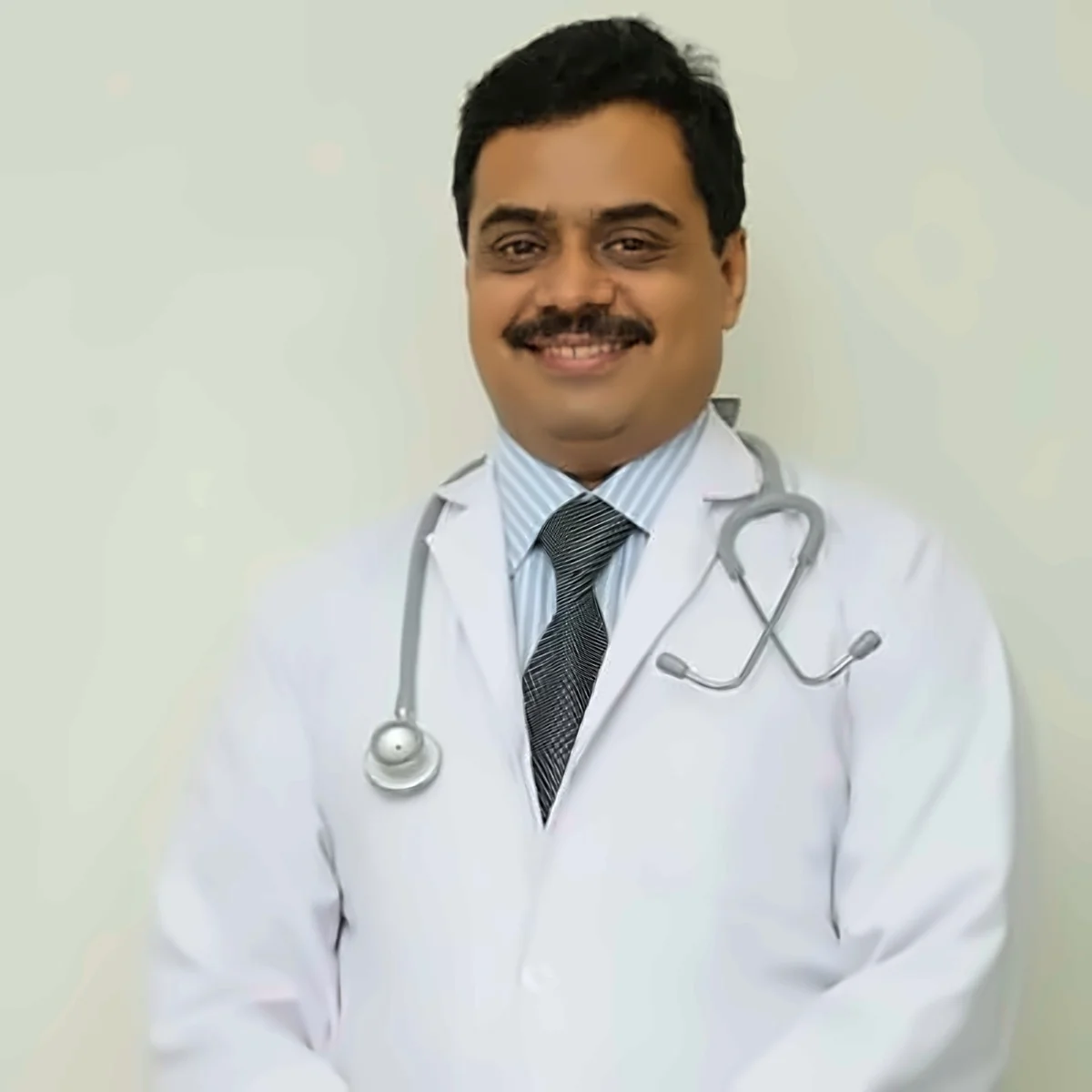
✔ Medically reviewed by Dr. Ashutosh Shah - M.B., M.S., M.Ch., D.N.B., Board-Certified Plastic & Cosmetic Surgeon, Director of Elegance Clinic, Surat (22+ years’ experience).
A good candidate for scar revision is generally in stable health, has a scar that causes cosmetic or functional concerns, and understands that treatment can improve a scar but cannot erase it completely. Uncontrolled diabetes, smoking, active infection or recent major weight changes may affect suitability. A specialist consultation confirms whether treatment is appropriate.
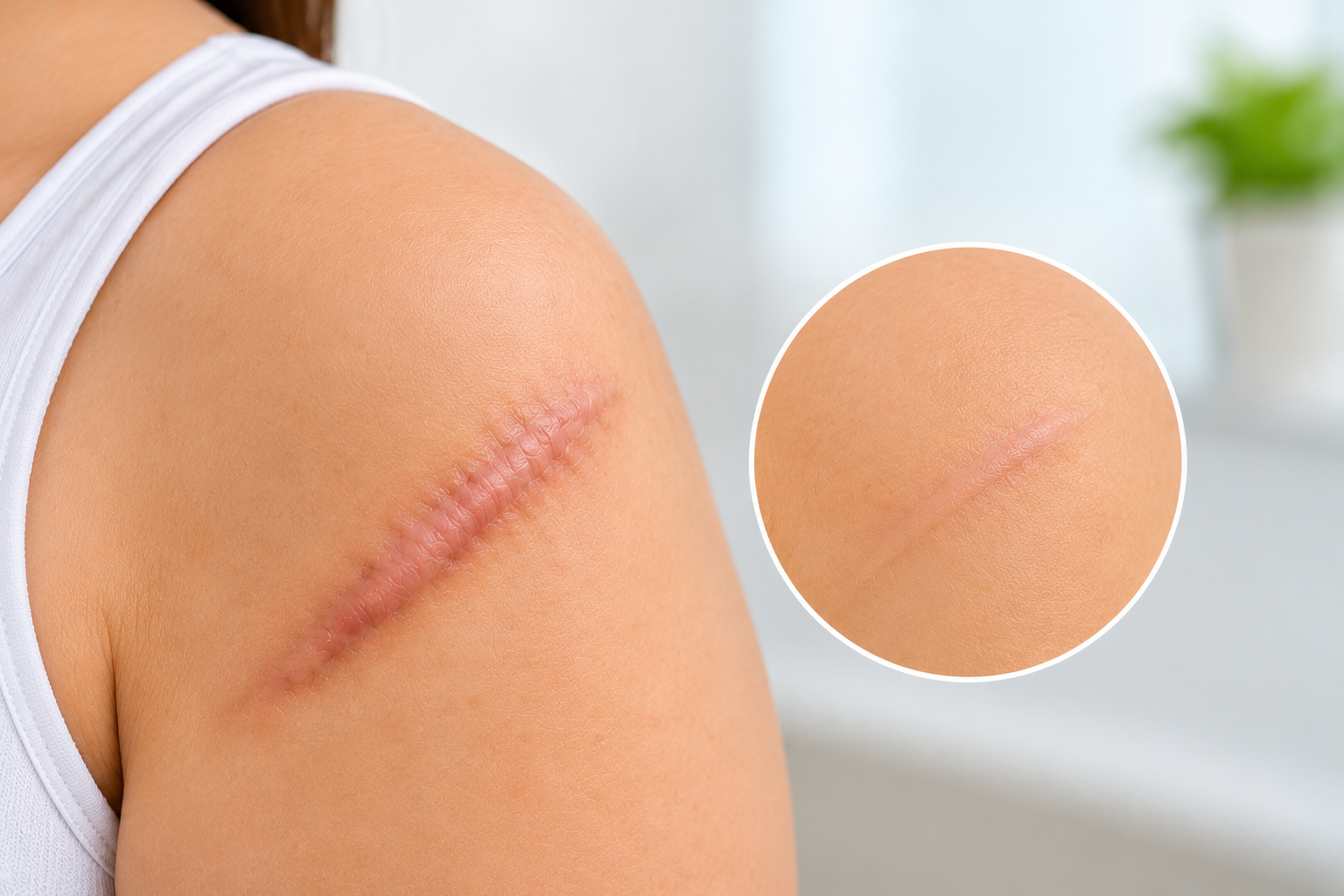
Scars can develop after injuries, burns, surgery, acne or other skin conditions. While many become less noticeable over time, some remain raised, thick, depressed, tight or uncomfortable.
Scar revision may help improve appearance, flexibility or movement, depending on the type of scar. However, not every scar requires surgery, and some respond better to non-surgical treatments.
Understanding who can get scar revision helps patients approach treatment with realistic expectations.
Key Takeaways
-
Scar revision may benefit people with raised, depressed, widened or restrictive scars.
-
Candidates should have realistic expectations about improvement.
-
Active infections and poorly controlled medical conditions may require treatment first.
-
Smoking and nicotine exposure can interfere with wound healing.
-
Age alone does not determine eligibility.
-
Different scar types require different treatment approaches.
-
A consultation is necessary to confirm the safest and most suitable option.
Who Usually Benefits Most?
When considering who can get scar revision, surgeons look at the scar's appearance, symptoms, location and impact on everyday life.
Scar revision is considered when a scar affects appearance, comfort or normal movement.
The most suitable treatment depends on the scar's location, thickness, colour, age and underlying cause.
People with noticeable surgical or injury scars
Some scars become wider, irregular or more prominent than expected.
When a scar has matured and remains bothersome, revision may help improve its shape or position.
Surgical revision can sometimes reposition a scar along natural skin lines, although the result is still a scar.
Patients considering treatment for an existing surgical scar can review the clinic's information on scar revision 1.
People with raised or thick scars
Hypertrophic scars are raised but generally remain within the original wound boundaries.
Keloids extend beyond the original injury and may continue growing.
These scars require careful assessment because recurrence can occur after treatment.
Keloid management may involve injections, silicone therapy, surgery or combinations of treatments.
The clinic's keloid revision surgery page provides additional information about this type of scar treatment.
People with scars affecting movement
Burn scars or contractures may tighten the skin and restrict movement around joints or other areas.
In selected cases, reconstructive procedures may help release tight tissue and improve function.
Functional concerns can be more important than cosmetic appearance when deciding whether treatment is necessary.
People with depressed or uneven scars
Some acne or injury scars create depressions or changes in skin texture.
Depending on the scar, treatments may include resurfacing, subcision, injections or surgical techniques.
Patients can explore the clinic's information about scar revisions to understand the available treatment category.
Who Should Wait or Avoid It for Now?
Understanding who can get scar revision also means identifying situations where postponing treatment may be safer.
Scar revision eligibility depends on more than the appearance of the scar.
Certain medical or lifestyle factors may make immediate treatment less suitable.
People with active infections
An infected wound or active skin inflammation should generally be assessed and treated before elective revision.
Operating through infected tissue can increase the risk of complications.
People with poorly controlled medical conditions
Uncontrolled diabetes, significant circulation problems and other medical conditions may affect healing.
These conditions do not automatically rule out treatment, but optimisation may be necessary.
People who smoke or use nicotine
Smoking reduces oxygen delivery to healing tissues and increases the risk of wound complications.
Patients should discuss cigarettes, vaping and nicotine products with their surgeon.
People with recently formed scars
Scars often change in colour, thickness and texture during maturation.
Unless there is a functional or medical reason for earlier intervention, waiting may allow the scar to improve naturally.
People expecting complete scar removal
Scar revision cannot guarantee invisible skin or a completely scar-free result.
A patient expecting total removal may benefit from further counselling before proceeding.
How Do Age, Weight and Health Conditions Matter?
Age, body weight, skin quality and general health can influence treatment planning.
However, no single factor determines suitability for every patient.
Does age affect scar revision?
There is no universal scar revision age limit.
Children, teenagers and adults may require treatment for functional or cosmetic concerns, but timing and consent considerations differ.
For younger patients, growth and scar maturation may influence the treatment plan.
What about diabetes?
Diabetes can affect wound healing, particularly when blood glucose control is poor.
The surgeon may request recent glucose measurements or HbA1c results before an elective procedure.
Patients with diabetes should not assume that scar revision is impossible. Their individual risk must be assessed.
Does body weight matter?
Major weight fluctuations can alter skin tension and scar appearance.
For scars in areas affected by weight change, stable weight may support more predictable planning.
However, weight loss is not necessary for every scar revision procedure.
How does blood pressure affect eligibility?
Uncontrolled hypertension may increase perioperative risks.
The treatment team may recommend blood pressure optimisation before an elective operation.
Other considerations include medications, bleeding disorders, previous wound-healing problems and a history of abnormal scarring.
Scar Revision in Vesu Surat: Self-Check Before Your Consultation
Patients considering treatment can use this checklist to identify questions that should be discussed with their surgeon.
It is not a medical eligibility test and cannot replace an examination.
Scar Revision Candidate Self-Check
| Question | Yes / No | Discuss With Doctor |
|---|---|---|
| Is the scar affecting your appearance or confidence? | ☐ Yes ☐ No | What degree of improvement is realistic? |
| Does the scar cause tightness, itching or discomfort? | ☐ Yes ☐ No | Is functional treatment necessary? |
| Has the scar had time to mature? | ☐ Yes ☐ No | Would waiting improve the outcome? |
| Do you have diabetes or high blood pressure? | ☐ Yes ☐ No | Are these conditions adequately controlled? |
| Do you smoke or use nicotine? | ☐ Yes ☐ No | What cessation plan is recommended? |
| Have you previously developed keloids? | ☐ Yes ☐ No | What is the recurrence risk? |
| Is your weight relatively stable? | ☐ Yes ☐ No | Could future changes affect the scar? |
| Are you expecting improvement rather than complete removal? | ☐ Yes ☐ No | What results are achievable? |
How to interpret the checklist: There is no pass or fail score. A “Yes” or “No” response may indicate a topic that needs medical discussion rather than automatic approval or rejection.
The most important question is whether the expected benefit outweighs the risks for your particular scar.
What Tests Are Done Before Treatment?
A consultation helps determine who can get scar revision safely and which treatment approach may be appropriate.
The evaluation begins with a detailed medical history and physical examination.
The surgeon assesses the scar's size, thickness, colour, position, mobility and effect on surrounding tissues.
Medical history
Patients may be asked about previous operations, wound infections, allergies, medications and any history of keloids.
Information about smoking and existing medical conditions is also important.
Scar assessment
The doctor examines whether the scar is raised, depressed, widened or causing a contracture.
Photographs may be used with consent to document its appearance.
Blood tests and other investigations
Not every scar revision requires extensive testing.
Depending on the planned procedure and medical history, the doctor may request blood glucose testing, blood counts or other investigations.
If the scar has unusual features, a biopsy or specialist assessment may occasionally be appropriate.
Choosing the treatment
After evaluation, the surgeon may recommend silicone therapy, injections, laser treatment, surgical revision or a combination.
What Are Realistic Expectations?
Scar revision aims to improve a scar's appearance or function, not remove every visible sign of injury.
The degree of improvement varies with scar type, skin characteristics, treatment technique and healing response.
Will the scar disappear completely?
No treatment can reliably guarantee complete scar removal.
Surgical revision replaces an existing scar with a new healing incision, ideally positioned or shaped more favourably.
How long do results take?
Scars continue changing after treatment.
Redness and firmness may gradually decrease, while final scar maturation can take many months.
Can a scar return?
Some scars, particularly keloids, can recur after treatment.
A combination of therapies and follow-up care may be recommended to reduce recurrence risk.
Dr. Ashutosh Shah and Elegance Clinic
Dr. Ashutosh Shah (MBBS, MS, MCh, DNB) is a Plastic, Reconstructive and Cosmetic Surgeon associated with Elegance Clinic.
Patients can seek an individual assessment to discuss scar characteristics, treatment options, potential risks and expected outcomes.
The recommended procedure should be based on the scar's clinical features rather than appearance alone.
For appointment enquiries, visit the clinic's contact page.
Conclusion
Understanding who can get scar revision is an important step toward choosing safe and appropriate scar treatment.
Scar revision may benefit people whose scars cause visible irregularities, discomfort or restricted movement.
However, the decision depends on scar characteristics, overall health, wound-healing risks and realistic expectations.
A qualified surgeon can assess whether treatment is appropriate now or whether waiting, medical optimisation or non-surgical care would be preferable.
The best candidate is not simply someone who wants a scar removed, but someone whose concerns can be addressed safely with a realistic chance of meaningful improvement.
Frequently Asked Questions
Is There an Age Limit?
Can I Have It With Diabetes or BP?
Should I Lose Weight First?
How Long Before Should I Stop Smoking?
Will Future Pregnancy or Weight Change Affect Results?
About the Author