Hypospadias Correction
✔ Medically reviewed by Dr. Ashutosh Shah — M.B., M.S., M.Ch., D.N.B., Board-Certified Plastic & Cosmetic Surgeon, Director of Elegance Clinic, Surat (22+ years’ experience).
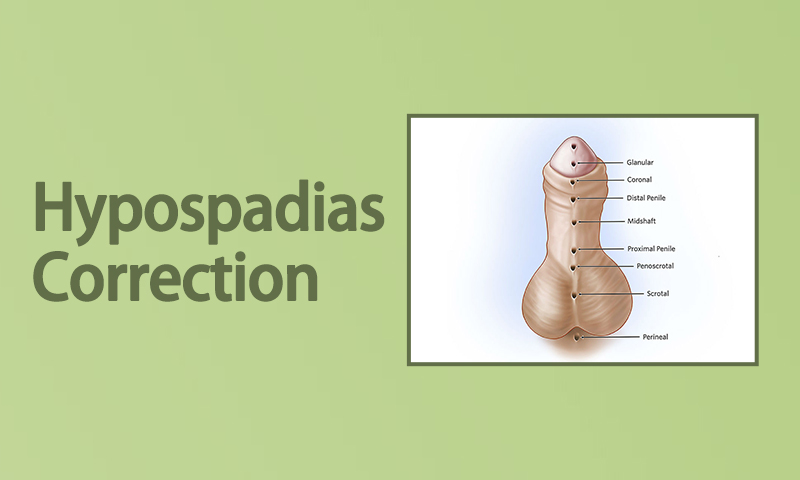
Hypospadias is a congenital condition in which the opening of the urethra (urine passage) is not located at the tip of the penis but on the underside of the penis. It is usually present at birth and can vary in severity depending on the position of the urethral opening.
In some cases, the condition may also be associated with downward curvature of the penis, known as chordee, and an abnormal foreskin appearance. Hypospadias can affect both the appearance and normal urinary function of the penis.
Types of Hypospadias
Hypospadias is classified based on the location of the urethral opening:
- Glanular (mild form near the head of the penis)
- Coronal (just below the head of the penis)
- Midshaft (middle part of the penis)
- Penoscrotal (where penis meets scrotum)
- Perineal (severe form near the scrotum)
The severity increases as the opening moves further from the tip of the penis.
What Causes Hypospadias?
The exact cause is not always known, but it develops during early fetal growth when the urethra does not form completely. It is a congenital condition and is present from birth.
Factors may include:
- Genetic influences
- Hormonal imbalance during fetal development
- Environmental factors in pregnancy (in some cases)
Hypospadias is not caused by anything done after birth.
Symptoms of Hypospadias
Symptoms may vary depending on severity:
- Urine opening on the underside of the penis
- Spraying or abnormal urine stream
- Downward curvature of penis (chordee)
- Difficulty with urination direction
- Cosmetic differences in penile appearance
- In severe cases, difficulty with sexual function later in life
What Is Hypospadias Correction Surgery?
Hypospadias correction is a reconstructive surgical procedure that aims to restore normal urinary and functional anatomy of the penis.
The main goals of surgery are:
- Move the urethral opening to the tip of the penis
- Straighten the penile curvature (chordee correction)
- Improve urinary flow
- Achieve a more natural appearance
Modern surgical techniques focus on both function and cosmetic outcome.
How Is Hypospadias Surgery Performed?
Hypospadias repair is a specialized reconstructive procedure performed under anesthesia.
During surgery:
- The penile curvature is corrected if present
- The urethra is reconstructed using advanced techniques
- A new opening is created at the tip of the penis
- Skin reconstruction is done for a natural appearance
In some cases, surgery may be done in one stage, while severe cases may require multiple stages depending on complexity.
When Is Hypospadias Surgery Done?
Hypospadias is often corrected in early childhood, usually between 6 to 18 months of age. Early correction helps ensure better healing, minimal psychological impact, and improved functional outcomes.
However, in some cases, adults may also undergo hypospadias correction for functional or cosmetic reasons.
Benefits of Hypospadias Correction
Hypospadias surgery offers several important benefits:
- Normal placement of urinary opening
- Improved urine flow direction
- Correction of penile curvature
- Better cosmetic appearance
- Improved hygiene
- Better confidence and quality of life
- Improved sexual function in adulthood
Recovery After Hypospadias Surgery
Recovery depends on the severity of the condition and type of repair performed.
After surgery, patients may experience:
- Mild swelling or discomfort
- Temporary urinary catheter placement in some cases
- Healing over a few weeks
- Follow-up visits for monitoring
Most patients recover well with proper care and follow-up.
Risks and Complications
Like any surgical procedure, hypospadias correction may have risks such as:
- Infection
- Swelling or bleeding
- Urethral fistula (small leak in urine channel)
- Scar formation or narrowing of urethra
- Need for revision surgery in rare cases
Modern surgical techniques have significantly reduced complication rates.
Why Choose Hypospadias Correction at Dr. Ashutosh Shah’s Clinic?
At Dr. Ashutosh Shah’s Clinic, hypospadias correction is performed with a focus on:
- Precise surgical planning
- Functional restoration
- Natural cosmetic results
- Individualized treatment approach
- Safe and advanced surgical techniques
Each case is evaluated carefully to choose the best surgical plan based on severity, anatomy, and patient needs.
Conclusion
Hypospadias is a congenital condition that affects urinary opening position and penile structure, but it is effectively treatable with modern reconstructive surgery. Hypospadias correction helps restore normal function, improve appearance, and enhance quality of life. Early diagnosis and expert surgical care lead to the best long-term results.
Frequently Asked Questions
What is hypospadias correction surgery?
It is a reconstructive surgery that moves the urethral opening to the tip of the penis and corrects curvature if present.
Is hypospadias treatable?
Yes, hypospadias is fully treatable with surgical correction.
At what age is hypospadias surgery done?
It is usually performed between 6 to 18 months of age, but adults can also undergo surgery.
Is hypospadias surgery permanent?
Yes, in most cases results are long-lasting with normal urinary function.
Does hypospadias affect fertility?
Mild cases usually do not affect fertility, especially after successful surgical correction.