Scar Revision in Ghod Dod Road, Surat: Procedure, Recovery and Cost Factors
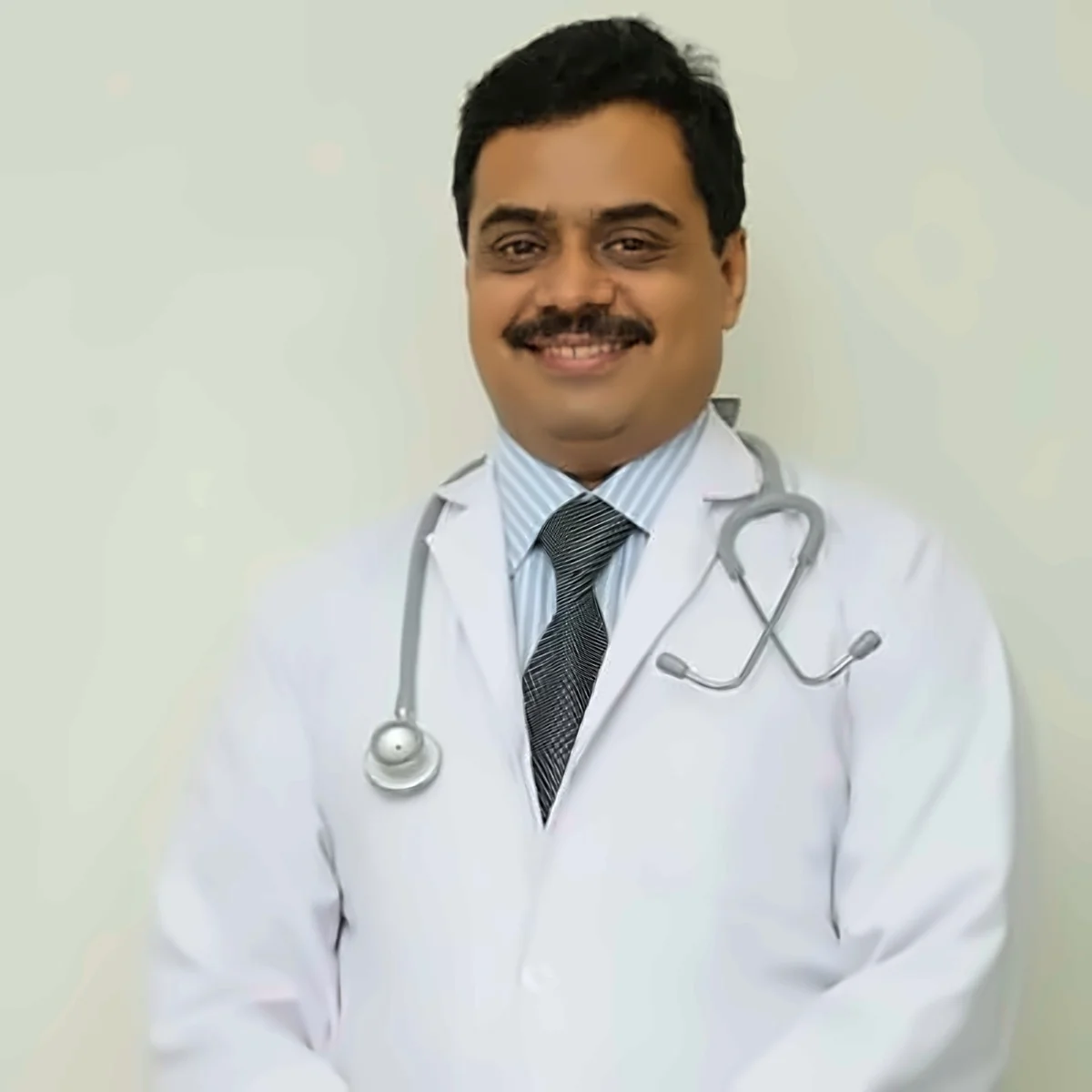
✔ Medically reviewed by Dr. Ashutosh Shah - M.B., M.S., M.Ch., D.N.B., Board-Certified Plastic & Cosmetic Surgeon, Director of Elegance Clinic, Surat (22+ years’ experience).
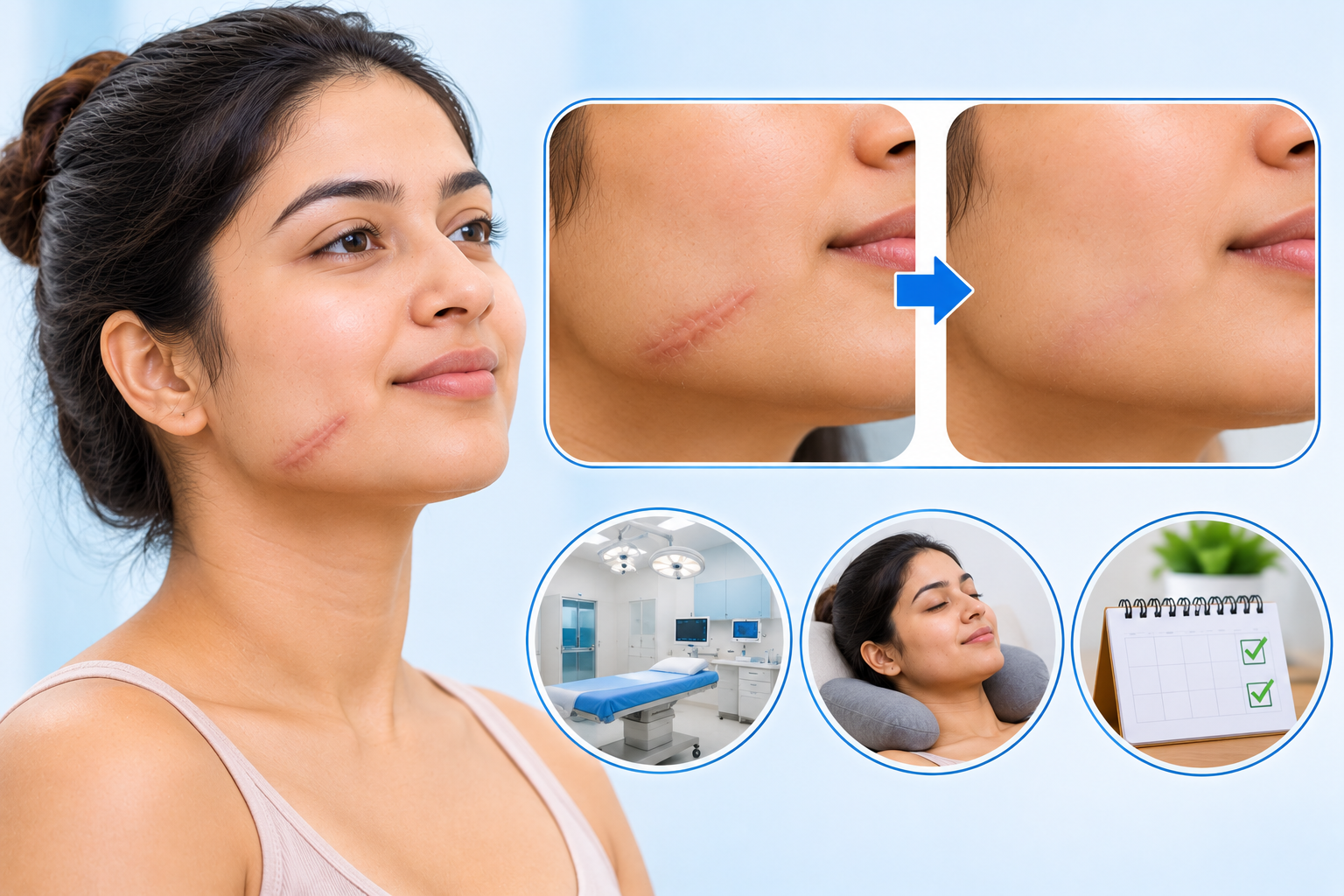
Scar revision in Ghod Dod Road Surat can help improve the appearance, texture or functional limitations of an existing scar. Patients usually begin with a consultation, undergo necessary assessments and plan treatment according to their needs. Recovery depends on the technique used, scar characteristics and individual healing.
Scars can develop after injuries, burns, accidents, previous operations or skin conditions. Although scars are a natural part of healing, some become raised, widened, uneven or uncomfortable.
Dr. Ashutosh Shah (MS, MCh, DNB) is a plastic and reconstructive surgeon with over 22 years of experience. A consultation can help patients understand suitable scar treatment options, expected improvements, potential risks and recovery requirements.
1. What is scar revision and who is it for?
Scar revision is a treatment designed to make an existing scar less noticeable, improve its texture or reduce functional restrictions caused by scar tissue.
The treatment cannot completely erase a scar. Instead, it aims to improve its appearance or function through an appropriate technique.
People considering scar revision in Ghod Dod Road Surat may have concerns such as:
-
Raised or thickened scars.
-
Wide surgical scars.
-
Depressed or uneven scars.
-
Scars following injuries or burns.
-
Tight scars that restrict movement.
-
Uncomfortable or prominent scars after previous surgery.
Treatment suitability depends on scar maturity, skin type, medical history and expectations.
Some scars improve naturally over time. Others may benefit from silicone therapy, injections, laser treatment or surgical correction.
Patients can explore the clinic's scar revision 1 service for additional information.
Quick Facts About Scar Revision
| Parameter | Details |
|---|---|
| Procedure duration | [Surgeon to confirm according to technique] |
| Anaesthesia | Local or general, depending on the procedure |
| Hospital stay | [Day-care or admission requirements to be confirmed] |
| Return to work | [Depends on treatment and occupation] |
| Follow-up visits | [Individual schedule to be confirmed] |
2. How is the procedure done, step by step?
Scar revision begins with understanding why the scar developed and what improvement is realistically possible.
Step 1: Initial consultation
Dr. Ashutosh Shah examines the scar's location, size, thickness, colour and surrounding skin. Previous treatments, healing difficulties and medical conditions are also discussed.
Step 2: Scar assessment and treatment planning
The surgeon determines whether non-surgical management or surgical correction is appropriate.
Treatment options may include:
-
Silicone therapy: Helps manage selected raised scars.
-
Steroid injections: May flatten certain hypertrophic scars or keloids.
-
Laser treatment: May improve redness, texture or pigmentation.
-
Surgical scar revision: Removes or rearranges scar tissue to improve its appearance.
-
Z-plasty: May help release selected tight scars and change their direction.
The most appropriate method depends on the individual scar.
Step 3: Preparing for treatment
Patients may require medical tests depending on their health and planned procedure. Smoking, medication use and previous healing problems should be discussed.
Step 4: Performing the procedure
During surgical revision, the surgeon may remove selected scar tissue and carefully reposition or close the surrounding skin.
Non-surgical treatments follow different protocols and may require multiple sessions.
Revision procedures can also address concerns associated with previous treatments. Examples include revision circumcision and revision hair transplant, although these are separate procedures requiring individual assessment.
Step 5: Aftercare and monitoring
Patients receive instructions regarding wound care, medication, activity restrictions and follow-up appointments.
3. Recovery: what do the first weeks look like?
Recovery after scar revision varies according to the treatment method, scar location and individual healing response.
Patients planning scar revision in Ghod Dod Road Surat should discuss their work commitments and daily activities before scheduling treatment.
The first few days
Mild swelling, tenderness or bruising may occur after surgical treatment. Patients should protect the treated area and follow prescribed wound-care instructions.
Avoid touching the wound unnecessarily or applying unapproved creams.
The first and second weeks
The surgeon may examine the wound and assess whether healing is progressing appropriately.
Activities that stretch or place pressure on the treated area should be avoided until medically cleared.
The following weeks and months
A revised scar may initially appear pink, firm or more noticeable. Its appearance can gradually change as the tissue matures.
Scar maturation can take many months, and results differ between patients.
Important recovery precautions
-
Keep the treated area clean according to instructions.
-
Avoid smoking and nicotine products.
-
Take prescribed medicines as directed.
-
Protect healed scars from excessive sun exposure.
-
Avoid strenuous exercise until cleared.
-
Attend scheduled follow-up appointments.
Seek prompt medical advice if redness spreads, pain increases, discharge develops or the wound opens.
4. Which factors change the cost?
The cost of scar revision in Ghod Dod Road Surat depends on the complexity of the scar, treatment method and additional medical requirements.
A reliable estimate should be provided after examining the scar rather than based only on photographs or telephone enquiries.
Scar size and location
Larger scars or scars in areas with greater skin tension may require more complex planning.
Scars affecting movement may also need specialised reconstructive techniques.
Treatment method
Silicone therapy, injections, laser sessions and surgical correction have different pricing structures.
Some patients require combined treatments or repeated sessions.
Anaesthesia and facility charges
The type of anaesthesia, operating facility and medical monitoring can influence the overall expense.
Follow-up care
Dressings, medicines, additional treatment sessions and follow-up appointments may affect the total cost.
Patients should request a written estimate explaining which services are included and whether additional charges may apply.
5. How to plan scar revision in Ghod Dod Road Surat?
Patients living near Ghod Dod Road can begin by arranging a consultation and discussing their scar-related concerns with the surgeon.
Prepare your medical information
Bring previous operation records, treatment details, medication lists and photographs showing how the scar has changed over time, if available.
Inform the surgeon about diabetes, allergies, smoking habits and any history of keloids or delayed wound healing.
Arrange your appointment
Ask whether an initial online consultation is available. Photographs may support preliminary discussions, but an examination is often necessary before selecting treatment.
Plan your treatment day
Depending on the procedure, you may need someone to accompany you home. Confirm fasting requirements, medication instructions and transport arrangements in advance.
Organise follow-up visits
Ask how often the treated area will need examination and whether additional treatment sessions are expected.
Planning appointments around work and family commitments can make recovery easier.
6. What questions should you ask before deciding?
Scar revision is an individualised treatment. Understanding its benefits and limitations helps patients make informed decisions.
Discuss the following questions with your surgeon:
-
Which type of scar do I have?
-
Is my scar ready for revision?
-
Can non-surgical treatment improve it?
-
Which technique is suitable for my concern?
-
What improvement can I realistically expect?
-
What are the risks of recurrence or poor healing?
-
How much time should I take off work?
-
Will I require additional treatment sessions?
-
What does the estimated cost include?
-
How should I care for the revised scar?
Dr. Ashutosh Shah can assess the scar and explain appropriate treatment options based on its characteristics and the patient's medical history.
For appointment information, visit the contact page.
Conclusion
Scar revision can improve the appearance or functional limitations of selected scars through surgical or non-surgical treatment. Choosing the appropriate technique, maintaining realistic expectations and following aftercare instructions are important.
A consultation with Dr. Ashutosh Shah can help patients understand treatment suitability, recovery requirements and individual cost estimates before making a decision.
Frequently Asked Questions
How long does scar revision take on the day?
How many follow-up visits are needed?
Can the first consultation be online?
When can I travel after treatment?
When will the final result show?
About the Author