
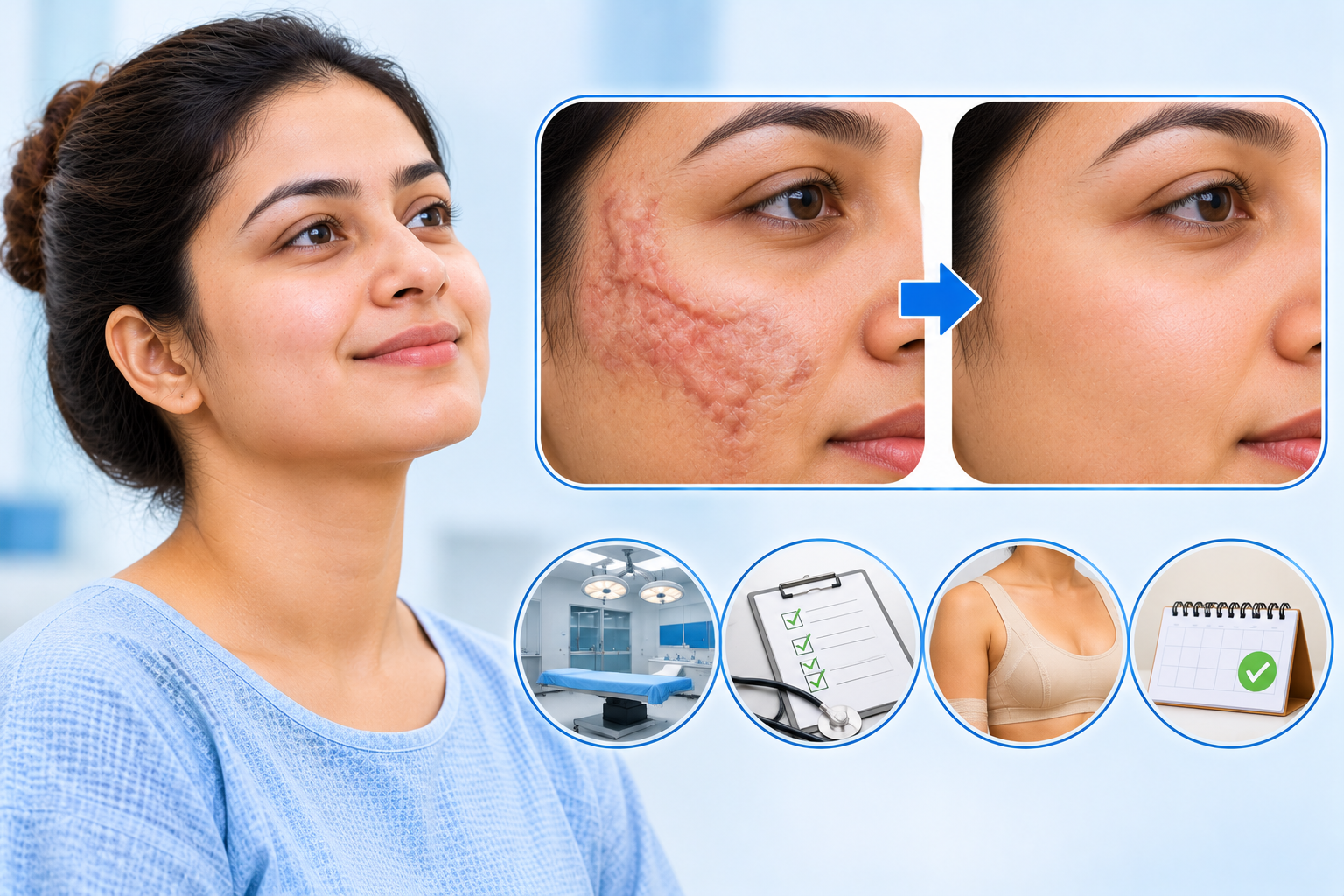
Is reconstructive surgery safe?
✔ Medically reviewed by Dr. Ashutosh Shah - M.B., M.S., M.Ch., D.N.B., Board-Certified Plastic & Cosmetic Surgeon, Director of Elegance Clinic, Surat (22+ years’ experience).
Reconstructive surgery can be performed safely with appropriate medical assessment, a qualified surgeon and a suitably equipped facility. However, reconstructive surgery risks vary according to the procedure and the patient's health. Temporary swelling, bruising and discomfort may occur. Understanding possible complications, recognising warning signs and following aftercare instructions are important for recovery.
Reconstructive surgery aims to restore the structure, appearance or function of body parts affected by injuries, burns, medical conditions, congenital abnormalities or previous operations.
Dr. Ashutosh Shah (MS, MCh, DNB) is a plastic and reconstructive surgeon with over 22 years of experience. A consultation can help patients understand treatment suitability, expected benefits and individual safety considerations.
1. Which side effects are common and temporary?
Most surgical procedures involve some degree of tissue healing. The type and severity of reconstructive surgery side effects depend on the treated area, surgical technique and individual recovery response.
Swelling and bruising
Swelling and bruising may develop around the operated area. These symptoms generally improve as healing progresses, although extensive reconstruction may require a longer recovery period.
Pain and discomfort
Mild to moderate discomfort may occur during the initial recovery period. Patients should take prescribed medication and avoid activities that strain the surgical site.
Temporary numbness
Changes in sensation can occur when surrounding tissues and nerves are affected during surgery. Sensation may improve gradually, but some changes can persist.
Scarring
Surgical incisions leave scars. Their final appearance depends on the procedure, skin characteristics, wound healing and individual tendency to develop prominent scars.
Understanding reconstructive surgery risks helps patients distinguish expected recovery symptoms from complications requiring medical attention.
Reconstructive Surgery Risk Comparison Table
| Side effect | How common | How long | What to do |
|---|---|---|---|
| Swelling | Common after many procedures | [Procedure-specific duration] | Follow swelling-control instructions |
| Bruising | May occur | [Surgeon to confirm] | Protect the treated area |
| Pain | Expected after many procedures | Variable | Take prescribed medication |
| Numbness | Procedure-dependent | Weeks, months or persistent | Discuss changes with the surgeon |
| Infection | [Procedure-specific frequency] | Variable | Seek prompt assessment |
| Delayed healing | [Individual risk assessment] | Variable | Attend wound checks |
| Excessive bleeding | [Procedure-specific frequency] | Variable | Seek urgent medical attention |
2. Which complications are rare but important?
Although many patients recover without major problems, reconstructive surgery complications can occur. Their likelihood varies considerably between minor procedures and extensive reconstruction.
Important complications include:
-
Infection: Increasing redness, warmth, discharge or fever may indicate infection.
-
Haematoma: Blood collecting beneath the skin may cause swelling and discomfort.
-
Delayed wound healing: Certain medical conditions and poor blood supply can affect healing.
-
Tissue damage: Skin grafts or flaps may experience partial or complete tissue loss.
-
Blood clots: Prolonged immobility and major surgery may increase clotting risks.
-
Anaesthesia complications: Reactions or breathing and cardiovascular problems may occur.
Some patients may require additional procedures if healing does not progress as expected.
Factors such as uncontrolled diabetes, smoking, poor circulation and nutritional deficiencies can increase reconstructive surgery risks.
Patients should discuss both the potential benefits and limitations of surgery before providing informed consent.
3. How are risks reduced before and during treatment?
Careful preparation, appropriate surgical planning and postoperative monitoring can help reduce avoidable complications.
Medical assessment
Before surgery, the doctor reviews the patient's medical history, current medications, allergies, previous operations and existing health conditions.
Depending on the procedure, investigations may include blood tests, blood sugar assessment, ECG or other relevant examinations.
Managing existing health conditions
Patients with diabetes, high blood pressure or other chronic conditions may require additional assessment before surgery.
Improving medical stability can support safer treatment and recovery.
Anaesthesia planning
The anaesthesia team assesses the patient's health and determines an appropriate anaesthetic approach.
Read more about anaesthesia safety in cosmetic surgery to understand general safety considerations.
Infection prevention
Appropriate sterilisation, surgical preparation and wound-care protocols are important. Antibiotics may be prescribed when clinically indicated.
Procedure-specific precautions
Different operations require different safety measures. For example, safe circumcision surgery involves its own assessment and postoperative instructions.
Reducing reconstructive surgery risks requires a treatment plan tailored to the patient's health, surgical needs and expected recovery.
4. How do you check a doctor's qualifications for reconstructive surgery in Varachha Surat?
Choosing an appropriately qualified surgeon is an important part of planning reconstructive treatment.
Patients should check the doctor's recognised medical qualifications, specialist training, professional registration and experience with the proposed procedure.
Before deciding, ask about:
-
Qualifications in plastic and reconstructive surgery.
-
Experience treating similar conditions.
-
Available treatment alternatives.
-
Potential complications and their management.
-
Hospital facilities and anaesthesia arrangements.
-
Expected recovery and follow-up requirements.
Dr. Ashutosh Shah can assess individual reconstructive concerns and explain suitable treatment options.
Patients can read about the reconstructive consultation at adajan clinic to understand the consultation process.
A thorough discussion of reconstructive surgery risks should form part of the consultation. Patients should have sufficient information to make an informed decision without pressure or unrealistic promises.
5. Which signs after treatment need urgent attention?
Recognising unusual symptoms during recovery can help patients receive timely medical assessment.
Contact your surgeon promptly if you experience:
-
Increasing redness, warmth or swelling.
-
Pain that becomes progressively worse.
-
Fever or chills.
-
Pus or unusual discharge.
-
Opening of the surgical wound.
-
Sudden changes in skin graft or flap colour.
-
New or worsening loss of sensation.
Seek emergency medical assistance for severe bleeding, chest pain, sudden breathing difficulties or fainting.
How can patients support recovery?
Follow prescribed wound-care instructions, avoid smoking, maintain adequate nutrition and attend scheduled appointments.
Do not remove dressings, change medication or resume strenuous activities without medical guidance.
For consultation and appointment information, visit the contact page.
Conclusion
Reconstructive surgery can offer functional and aesthetic improvements for appropriately selected patients. However, understanding reconstructive surgery risks is essential before making a treatment decision.
Medical assessment, qualified surgical care and appropriate aftercare can help reduce avoidable complications. Dr. Ashutosh Shah can explain individual treatment options, safety considerations and expected recovery during a consultation.
Frequently Asked Questions
What are the common side effects?
How rare are serious complications?
Which tests are done before treatment?
Who should not have this procedure?
What should I do if swelling increases suddenly?
About the Author