Vascular Surgery Recovery Time: A Week-by-Week Guide
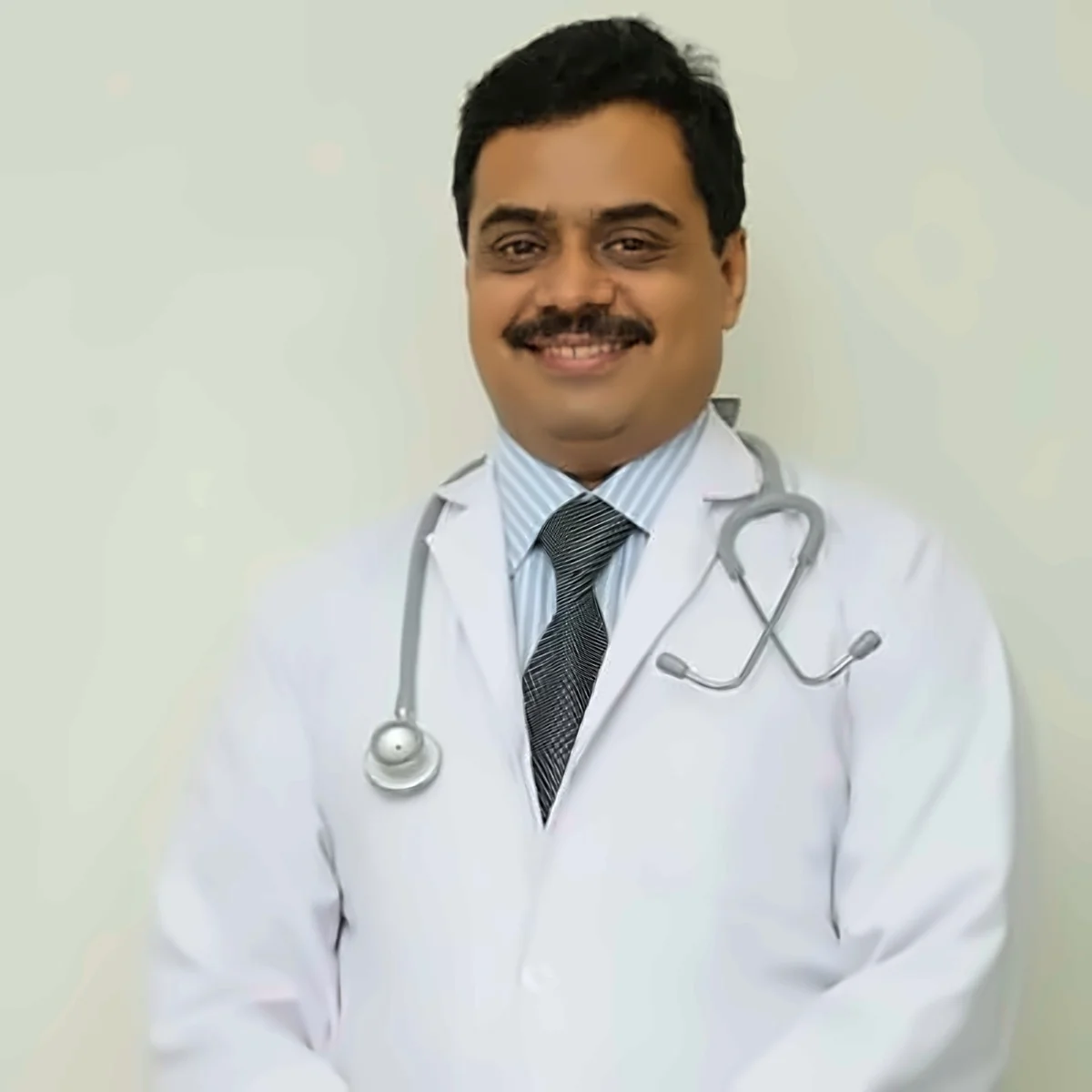
✔ Medically reviewed by Dr. Ashutosh Shah - M.B., M.S., M.Ch., D.N.B., Board-Certified Plastic & Cosmetic Surgeon, Director of Elegance Clinic, Surat (22+ years’ experience).
Vascular surgery recovery time varies according to the procedure, your health and the extent of treatment. Recovery happens in stages, beginning with wound care, pain management and safe movement, followed by a gradual return to normal activities. Follow your personalised discharge instructions and attend scheduled reviews.
Some vascular procedures are minimally invasive, while others require extensive surgery and longer hospital monitoring. Therefore, no single recovery schedule applies to everyone.
Dr. Ashutosh Shah (MS, MCh, DNB) can discuss the expected healing process, postoperative precautions and follow-up requirements for procedures within his clinical practice.
1. What Happens in the First Week?
The first week after vascular surgery focuses on monitoring healing, managing discomfort, protecting the treated area and identifying complications early.
Recovery depends on whether treatment involved an open incision, a catheter-based procedure or another technique.
The first 24-48 hours
Patients may experience temporary discomfort, bruising, swelling or fatigue. These symptoms vary considerably by operation.
Some patients return home after observation, while others require hospital admission.
Follow instructions regarding prescribed medicines, dressings, walking and rest. Do not remove dressings or change medications without medical advice.
Days 3-7
During the following days, discomfort may gradually improve, although swelling and bruising can persist.
Gentle movement is often encouraged after suitable procedures, but the amount and type of activity must follow the surgeon's instructions.
Patients recovering from major arterial surgery may have substantially different restrictions from those treated for uncomplicated varicose veins.
Week-by-Week Vascular Surgery Recovery Table
| Week | What to Expect | Allowed | Avoid |
|---|---|---|---|
| Week 1 | Early healing, possible pain, bruising and swelling | Prescribed wound care and approved walking | Heavy exertion and unapproved activities |
| Week 2 | Symptoms may gradually improve | [Doctor-approved daily activities] | Lifting or strenuous exercise without clearance |
| Weeks 3–4 | Continued tissue healing and functional recovery | [Approved work and exercise progression] | Activities restricted by the surgeon |
| Weeks 5–6 | Further recovery for some procedures | [Individualised activity plan] | Assuming every wound is fully healed |
| Beyond 6 weeks | Ongoing recovery or rehabilitation for more extensive operations | [Surgeon-approved routine] | Missing follow-ups or ignoring new symptoms |
Important: This table describes possible recovery stages, not guaranteed milestones.
For information about available treatment categories, read varicose and vascular surgery.
2. When Can You Return to Work and Driving?
Returning to work depends on the operation, the patient's general health, mobility and job responsibilities.
A person recovering from a minor vein procedure may have a different recovery experience from someone undergoing major vascular reconstruction.
Returning to desk work
Office-based duties usually involve less physical strain than lifting, prolonged standing or demanding manual work.
However, sitting for extended periods may require precautions after certain procedures.
Ask your surgeon about suitable movement breaks, leg positioning and any restrictions relevant to your operation.
Returning to physical work
Jobs involving heavy lifting, climbing, repetitive bending or prolonged standing may require a longer recovery period.
Resuming demanding tasks too early can interfere with healing or increase discomfort.
A medical review may be necessary before returning to full duties.
When is driving safe?
Driving should resume only when the patient can operate the vehicle safely, perform an emergency stop and move comfortably without restricted control.
Sedating medicines, pain, limited mobility and postoperative complications can affect driving safety.
Patients should also follow procedure-specific restrictions and applicable driving requirements.
Planning time off
Before surgery, discuss:
-
The physical demands of your occupation.
-
Expected wound-care appointments.
-
Whether restricted duties are possible.
-
When a medical fitness certificate may be appropriate.
A realistic plan reduces pressure to return before recovery is adequate.
3. When Is Exercise Safe Again After Vascular Surgery in Anand?
Exercise can support recovery when introduced appropriately, but the safest progression depends on the vascular condition and treatment performed.
Patients should not follow a generic gym schedule without their surgeon's approval.
Walking during early recovery
Walking may be recommended after many vein procedures because it encourages movement and helps reduce prolonged inactivity.
However, some vascular operations require different mobilisation plans.
Follow the walking instructions given at discharge rather than increasing activity simply because discomfort has improved.
Returning to light exercise
Gentle daily activities may be reintroduced gradually once the surgeon confirms they are appropriate.
Stop and seek advice if activity causes unexpected pain, significant swelling, bleeding or other concerning symptoms.
Returning to the gym
Running, resistance training, cycling and heavy lifting place different demands on the body.
The timing of each activity depends on wound healing, circulation, procedure type and overall recovery.
Why individual guidance matters
A vascular malformation and a varicose vein are different conditions that may require different treatment strategies.
Learn more in vascular malformation or varicose vein.
4. What Swelling, Pain or Numbness Is Normal?
Some discomfort, bruising and swelling can occur after vascular procedures. The expected pattern depends on the operation and the area treated.
Vascular surgery recovery time should be assessed alongside symptom progression rather than by the calendar alone.
Swelling
Mild swelling near the treated area may occur during healing.
However, sudden, severe or rapidly increasing swelling requires medical assessment, especially when accompanied by significant pain or colour changes.
Pain and tenderness
Temporary soreness can be expected after some procedures, particularly around incisions or treated veins.
Pain should be managed according to the prescribed plan.
Severe, worsening or unexplained pain should not be dismissed as routine healing.
Numbness or altered sensation
Temporary sensory changes may occur after certain operations because nearby nerves can become irritated.
Persistent, spreading or new numbness requires review, especially when associated with weakness or reduced circulation.
Skin changes and scar healing
Bruising and incision appearance may change as tissues recover.
Patients should protect healing wounds and follow dressing instructions.
Vascular lasers used for skin conditions are different from operations treating deeper blood vessels. The vascular laser for keloid page discusses a separate application of vascular laser technology.
5. Which Signs Mean You Should Call the Clinic?
Recognising warning signs is an important part of vascular surgery aftercare.
Patients should receive written discharge instructions explaining expected symptoms, emergency contacts and when urgent evaluation is necessary.
Contact the treating team promptly for:
-
Increasing redness, warmth or discharge around a wound.
-
Fever or worsening postoperative pain.
-
New or increasing swelling.
-
Persistent bleeding or unexpected wound separation.
-
New numbness, weakness or concerning changes in the treated limb.
Seek emergency medical care for:
-
Sudden chest pain or difficulty breathing.
-
A suddenly cold, pale, blue or severely painful limb.
-
Sudden loss of movement or sensation.
-
Heavy bleeding that does not stop with appropriate first aid.
Do not wait for a routine follow-up appointment when these symptoms occur.
Follow-up appointments
Postoperative reviews help the surgeon assess healing, circulation, wound condition and recovery progress.
Some patients may require additional investigations or rehabilitation.
Patients can use the contact page for routine appointment enquiries.
Conclusion
Vascular surgery recovery time depends on the procedure, individual healing, general health and postoperative care.
The safest recovery plan includes appropriate wound care, gradual activity, awareness of warning signs and scheduled follow-up appointments.
Dr. Ashutosh Shah can discuss procedure-specific expectations and whether further evaluation or treatment is appropriate.
Frequently Asked Questions
How many days off work should I plan?
When can I sleep normally?
When can I go back to the gym?
Is numbness normal after surgery?
When will I see the final result?
About the Author