Varicose Vein Treatment in Athwa, Surat: Procedure, Recovery and Cost Factors
✔ Medically reviewed by Dr. Ashutosh Shah - M.B., M.S., M.Ch., D.N.B., Board-Certified Plastic & Cosmetic Surgeon, Director of Elegance Clinic, Surat (22+ years’ experience).
Varicose vein treatment helps manage enlarged, twisted leg veins through assessment, a planned procedure, recovery care, and follow-up visits. Patients from Athwa usually begin with a consultation and may need a duplex ultrasound before choosing treatment. The appropriate technique, procedure duration, hospital stay, and recovery period depend on the individual findings.
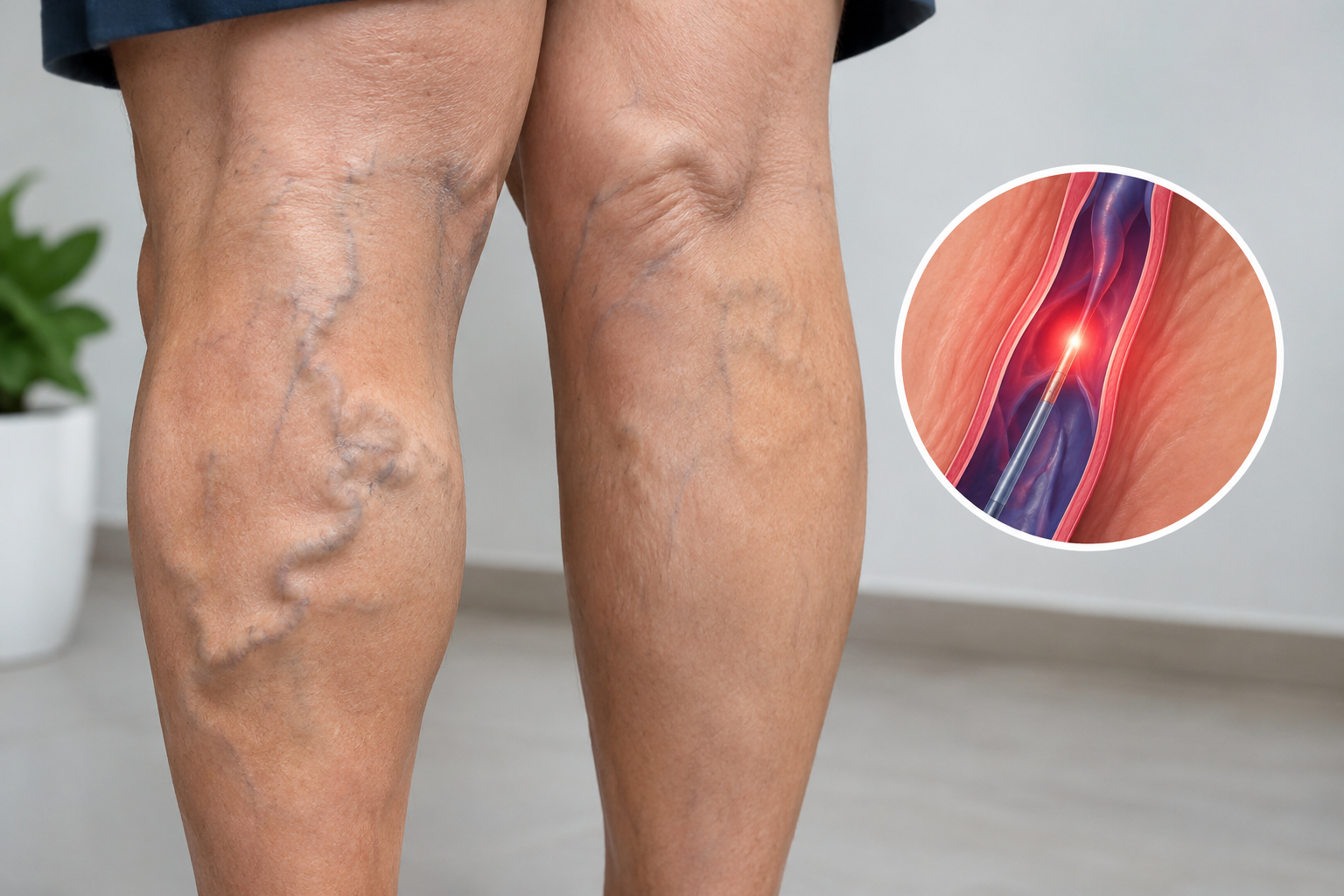
Varicose veins develop when valves inside superficial leg veins do not work effectively, allowing blood to flow backwards and collect. They may cause heaviness, aching, swelling, itching, or visible bulging veins.
At Elegance clinic, patients can discuss their symptoms, available treatments, expected recovery, and costs. The aim is to choose an appropriate approach rather than treating every visible vein in the same way.
1. What Is Varicose Vein Treatment and Who Is It For?
Varicose vein treatment aims to reduce symptoms and address problematic superficial veins. Depending on the examination and ultrasound findings, management may involve lifestyle measures, compression, minimally invasive procedures, or surgery.
Not every visible vein requires an operation. Some patients have mainly cosmetic concerns, while others experience symptoms or complications that justify further investigation.
Who should consider an assessment?
A consultation may be appropriate if you experience:
-
Bulging, twisted veins on the legs.
-
Aching or heaviness after prolonged standing.
-
Swelling around the ankles.
-
Itching, discomfort, or skin discolouration.
-
Recurrent inflammation around superficial veins.
-
Skin changes or a persistent ulcer near the ankle.
Symptoms can have several causes, so examination is important before deciding that varicose veins are responsible.
Are varicose veins and vascular malformations the same?
No. Varicose veins usually involve enlarged superficial veins and faulty venous valves. Vascular malformations are developmental abnormalities involving blood or lymphatic vessels.
They may look similar but require different assessments.
Read vascular malformation or varicose vein to understand why identifying the correct condition matters.
Can treatment be avoided?
Some patients benefit from regular walking, weight management when appropriate, leg elevation, and avoiding prolonged immobility.
Compression stockings may relieve symptoms in selected patients, although they do not eliminate faulty veins. They should be recommended after assessing circulation and individual suitability.
If symptoms persist or complications develop, further treatment may be appropriate.
2. How the Procedure Is Done, Step by Step
Varicose vein treatment involves several stages, beginning with diagnosis and ending with postoperative assessment.
The exact procedure depends on which veins are affected, whether reflux is present, and the patient's medical condition.
Step 1: Consultation and medical history
The clinician asks about leg pain, swelling, previous blood clots, pregnancy history, occupation, medications, and previous vein treatment.
Both legs may be examined while standing because some abnormal veins become more visible in that position.
Step 2: Duplex ultrasound
A duplex ultrasound evaluates blood flow and identifies venous reflux, where blood moves in the wrong direction.
It helps determine which veins are responsible for symptoms and whether a planned intervention is appropriate.
Step 3: Selecting the treatment
Common treatment options include:
Endovenous laser treatment (EVLT): Laser energy is delivered inside an affected vein through a catheter to close it.
Radiofrequency ablation (RFA): Heat generated by radiofrequency energy closes the problematic vein.
Ultrasound-guided foam sclerotherapy: A sclerosant foam is injected to close selected veins.
Ambulatory phlebectomy: Small surface veins are removed through tiny skin openings.
Surgical ligation or stripping: Conventional surgery may be considered in selected circumstances.
Not every technique is suitable for every patient. Treatment choice depends on ultrasound findings, anatomy, symptoms, and available expertise.
For additional information, see laser varicose vein.
Step 4: Performing the procedure
The team confirms the treatment plan, consent, anaesthesia, and necessary precautions.
Minimally invasive techniques may involve ultrasound guidance, a catheter or injection, and local anaesthesia. Other procedures may require different anaesthesia arrangements.
Step 5: Discharge and follow-up
After treatment, patients receive instructions about walking, dressings, compression if prescribed, medicines, and warning signs.
Follow-up assessment may include clinical examination or ultrasound when indicated.
Quick Facts: Varicose Vein Treatment
| Factor | What to Expect |
|---|---|
| Procedure duration | [Doctor to confirm by technique] |
| Anaesthesia | [Confirm local, regional, or general anaesthesia requirements] |
| Hospital stay | [Confirm day-care or admission arrangements] |
| Return to work | [Doctor to confirm according to treatment and occupation] |
| Follow-up visits | [Clinic to confirm schedule and ultrasound requirements] |
These are planning categories, not confirmed clinic-specific treatment figures.
3. Recovery: What the First Weeks Look Like
Recovery after varicose vein treatment varies significantly. An ultrasound-guided injection, endovenous procedure, and conventional surgery do not have identical recovery requirements.
The patient's general health, number of veins treated, and occupation also influence healing.
Immediately after treatment
Some patients experience mild discomfort, tenderness, bruising, or a pulling sensation along the treated vein.
Walking is commonly encouraged after many minimally invasive treatments because movement supports circulation.
However, the surgeon's instructions take priority, especially when other health conditions are present.
During the first week
Bruising and local tenderness may continue. Patients may need to wear compression stockings if prescribed.
Avoid prolonged immobility and follow specific guidance about exercise, bathing, travel, and wound care.
Do not massage treated areas or apply unprescribed creams without medical advice.
Returning to work and exercise
People with desk-based work may have different recovery needs from those whose jobs involve prolonged standing, lifting, or strenuous physical activity.
The recommended return to exercise also depends on the procedure performed.
When should you seek urgent help?
Contact the treating team promptly for increasing redness, fever, worsening pain, unusual discharge, or significant new swelling.
Sudden chest pain, breathlessness, or coughing blood requires emergency medical assessment because these may indicate a serious complication.
New severe leg swelling or pain also warrants urgent evaluation.
When do results become visible?
Some treated veins become less prominent relatively quickly, while others take longer to shrink or fade.
Bruising, temporary firmness, and pigmentation changes can affect the early appearance.
Additional treatment may be needed if other abnormal veins remain. Varicose veins can also develop again over time.
4. Which Factors Change the Cost?
The cost of treatment depends on the diagnosis, technique, number of affected veins, hospital facilities, anaesthesia, and follow-up requirements.
An accurate quotation should follow clinical examination and appropriate investigations.
Treatment technique
Laser treatment, radiofrequency ablation, sclerotherapy, phlebectomy, and conventional surgery require different equipment and resources.
Consequently, prices may vary even when patients have similar-looking veins.
Extent of disease
Treating one affected vein may involve different resources from managing several veins or both legs.
Advanced skin changes, recurrent disease, or previous treatment may make planning more complex.
Tests and hospital facilities
A written quotation should clarify whether duplex ultrasound, blood tests, anaesthesia, operating theatre charges, medicines, and compression stockings are included.
Follow-up expenses
Patients should ask whether routine reviews and any recommended repeat ultrasound are included.
They should also understand the potential costs of additional sessions or managing complications.
For an overview of related services, visit varicose and vascular surgery.
Insurance coverage depends on medical necessity, the proposed treatment, and the individual policy. Cosmetic treatment may not qualify.
5. Planning Varicose Vein Treatment in Athwa Surat: Reaching the Clinic
Patients planning treatment should organise consultation, investigations, travel, and follow-up appointments before selecting a procedure date.
Before the appointment
Prepare a list of symptoms, previous treatments, medicines, allergies, and relevant medical conditions.
If you have earlier ultrasound reports, bring them for review.
Photographs may help describe visible changes, but they cannot replace a clinical examination.
Planning your visit
Confirm the clinic's exact address, appointment time, and whether ultrasound assessment can be arranged during the same visit.
Do not assume that consultation and treatment will occur on the same day.
Arranging transport
Ask whether you may drive after the planned procedure or need someone to accompany you.
Anaesthesia, sedation, dressings, and postoperative discomfort may affect travel arrangements.
Preparing for follow-up
Before leaving, obtain written instructions about medicines, compression, walking, activity restrictions, and emergency contact details.
Patients can use the clinic's contact page to enquire about appointments and confirm current arrangements.
Planning follow-ups in advance helps avoid missed assessments and uncertainty during recovery.
6. Questions to Ask Before You Decide
An informed treatment decision should consider symptoms, ultrasound findings, alternatives, risks, costs, and recovery.
During consultation, consider asking:
-
What is causing my symptoms?
-
Do I need a duplex ultrasound?
-
Is treatment necessary now?
-
Which technique is suitable for my veins?
-
What are the risks of bruising, infection, nerve irritation, or blood clots?
-
Will I need compression stockings?
-
When can I return to work and exercise?
-
Could I need another treatment later?
-
What is included in the written quotation?
-
When should I return for follow-up?
Consultation with Dr. Ashutosh Shah
Dr. Ashutosh Shah (MS, MCh, DNB) can discuss the patient's concerns and the need for appropriate vascular assessment.
The consultation should establish realistic expectations and clarify whether referral for specialist vascular evaluation is appropriate.
Conclusion
Varicose vein treatment should begin with an accurate diagnosis and an individualised discussion of treatment options. Ultrasound findings, symptoms, general health, and patient preferences influence the recommended approach.
Before proceeding, confirm the technique, risks, expected recovery, written costs, and follow-up plan.
Frequently Asked Questions
How long does varicose vein treatment take on the day?
How many follow-up visits are needed?
Can the first consultation be online?
When can I travel after treatment?
When will the final result show?
About the Author