
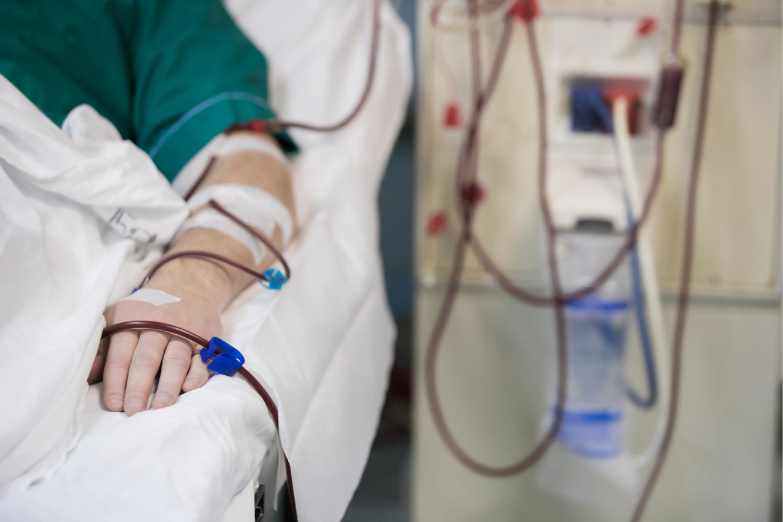
Blocked Dialysis Veins Treatment, Safe Dialysis Access Care in Surat
✔ Medically reviewed by Dr. Ashutosh Shah - M.B., M.S., M.Ch., D.N.B., Board-Certified Plastic & Cosmetic Surgeon, Director of Elegance Clinic, Surat (22+ years’ experience).
Kidney patients who undergo dialysis often depend on healthy veins for regular treatment. However, many people face problems when those veins become narrow or blocked. As a result, dialysis sessions become painful, slow, or sometimes impossible. This situation can create stress for both patients and their families.
At Elegance Clinic, Dr. Ashutosh Shah regularly treats patients dealing with dialysis access issues. Over the years, we have seen how blocked dialysis veins can affect daily life, confidence, and overall health. Fortunately, modern dialysis access procedures can restore proper blood flow and improve dialysis efficiency.
This blog explains everything you should know about Blocked Dialysis Veins Treatment, including symptoms, causes, treatment options, recovery, costs, and realistic expectations.
What Is Blocked Dialysis Veins Treatment?
Blocked Dialysis Veins Treatment is a procedure used to open narrowed or blocked veins that are used for dialysis access. These veins are important because they help move blood properly during dialysis sessions.
When veins become blocked, blood flow reduces. Consequently, dialysis may not work effectively. Patients may also experience swelling, discomfort, or repeated access failure.
At Elegance Clinic, our focus is to restore proper blood circulation while keeping the treatment process as comfortable and safe as possible.
Why Do Dialysis Veins Get Blocked?
Several reasons can lead to blocked dialysis veins. In many cases, the problem develops slowly over time.
Common Causes of Blocked Dialysis Veins
Repeated Needle Use
Frequent needle insertion during dialysis can damage vein walls gradually.
Blood Clot Formation
Blood clots can block blood flow inside the dialysis access vein.
Narrowing of Veins
Sometimes veins become narrow because of scar tissue formation.
Poor Blood Circulation
Patients with diabetes or vascular disease may develop weak blood vessels.
Infection Around Access Site
Infections can damage dialysis access and increase blockage risk.
Symptoms You Should Never Ignore
Many patients ignore early signs because they assume discomfort is normal. However, identifying symptoms early can prevent bigger complications later.
Common Symptoms of Dialysis Vein Blockage
- Swelling in the arm or hand
- Difficulty during dialysis sessions
- Reduced blood flow during treatment
- Pain near the access area
- Visible enlarged veins
- Prolonged bleeding after dialysis
- Weak vibration over fistula site
If you notice these symptoms, timely evaluation becomes very important.
How Blocked Dialysis Veins Affect Daily Life
Patients often tell us that dialysis problems affect much more than physical health. Frequent hospital visits, failed dialysis sessions, and constant discomfort can create emotional stress.
Some patients also feel anxious before every dialysis appointment because they fear another failed session. Others struggle with arm swelling that interferes with normal daily activities.
At Elegance Clinic, we understand these concerns personally. Therefore, we aim to provide practical guidance along with advanced treatment options.
Diagnosis Before Blocked Dialysis Veins Treatment
Proper diagnosis helps identify the exact location and severity of the blockage.
Common Diagnostic Methods
Physical Examination
The doctor checks blood flow, swelling, and vein condition.
Doppler Ultrasound
This scan helps evaluate blood circulation inside the veins.
Fistulography
A contrast dye test may be used to detect narrowing or blockage areas.
These tests help create the most suitable treatment plan for each patient.
Treatment Options for Blocked Dialysis Veins
Every patient has different vein conditions. Therefore, treatment selection depends on the severity of blockage, overall health, and previous dialysis history.
Angioplasty for Dialysis Veins
This is one of the most common treatments. A small balloon is inserted into the blocked vein and inflated gently to open the narrowed area.
Many patients experience immediate improvement in blood flow after the procedure.
Thrombectomy
If a blood clot blocks the vein, clot removal may be required to restore circulation.
Stent Placement
Sometimes a stent is placed inside the vein to keep it open for longer periods.
Dialysis Access Revision
In severe cases, surgical correction or creation of a new dialysis access may be necessary.
At Elegance Clinic, Dr. Ashutosh Shah carefully evaluates each patient before recommending the right option.
Benefits of Early Blocked Dialysis Veins Treatment
Timely treatment offers several important advantages.
Better Dialysis Efficiency
Proper blood flow helps dialysis work more effectively.
Reduced Swelling and Pain
Patients often feel more comfortable after blood circulation improves.
Lower Risk of Access Failure
Early treatment helps preserve the dialysis access site.
Improved Quality of Life
Many patients return to smoother dialysis sessions with less anxiety.
Who Is a Good Candidate for Treatment?
Patients who experience repeated dialysis problems should consider evaluation.
You May Need Treatment If
- Dialysis sessions are becoming difficult
- Your fistula flow feels weaker
- Arm swelling continues
- Bleeding after dialysis takes longer
- You have frequent access clotting
Early consultation can help avoid emergency complications.
What Happens During the Procedure?
Many patients worry about pain or long hospital stays. Fortunately, most dialysis vein procedures are minimally invasive.
During Treatment
- Local anesthesia is usually used
- Small instruments are inserted through tiny openings
- Blood flow is restored carefully
- Most procedures are completed within a few hours
Patients usually return home the same day unless additional care is required.
Recovery After Blocked Dialysis Veins Treatment
Recovery is generally smooth for most patients.
Common Recovery Expectations
- Mild soreness for a short period
- Minimal downtime
- Improved dialysis flow within days
- Quick return to routine activities
However, proper aftercare remains very important.
Aftercare Tips for Better Results
Good aftercare can help maintain long term dialysis access health.
Helpful Aftercare Advice
- Keep the access area clean
- Avoid pressure on the treated arm
- Attend follow up appointments
- Monitor swelling or redness
- Inform your doctor if blood flow changes again
At Elegance Clinic, we guide every patient carefully after treatment.
Realistic Results Patients Can Expect
Patients should understand that dialysis vein treatments improve blood flow, but long term success also depends on overall health and proper dialysis care.
Most patients notice:
- Easier dialysis sessions
- Better blood flow
- Reduced swelling
- Less discomfort
Some patients may require repeat procedures in the future because dialysis veins remain under continuous stress.
Cost of Blocked Dialysis Veins Treatment in Surat
Treatment cost depends on several factors.
Factors That Affect Cost
- Type of procedure required
- Severity of blockage
- Number of veins involved
- Hospital and equipment requirements
- Need for stents or additional procedures
At Elegance Clinic in Surat, we believe patients should clearly understand treatment costs before starting care. Therefore, transparent discussion is always part of the consultation process.
Common Myths About Dialysis Vein Blockage
Myth, Blocked veins always need major surgery
Many cases can be treated with minimally invasive procedures.
Myth, Dialysis access problems are normal
Frequent dialysis difficulties should never be ignored.
Myth, Treatment is extremely painful
Most patients tolerate these procedures comfortably.
Myth, Results never last
Proper care can help maintain dialysis access for a long time.
Why Patients Choose Elegance Clinic in Surat
Patients often choose Elegance Clinic because they want practical guidance, experienced care, and personal attention.
What Makes Elegance Clinic Different
Experienced Approach
Dr. Ashutosh Shah focuses on patient comfort along with effective treatment.
Individualised Care
Every dialysis patient receives a customised treatment plan.
Clear Communication
Patients and families receive honest guidance about results and expectations.
Convenient Care in Surat
Local patients appreciate accessible follow up and continued support.
Conclusion
Blocked dialysis veins can seriously affect dialysis quality and overall health. However, timely treatment can restore blood flow and reduce complications significantly.
At Elegance Clinic, Dr. Ashutosh Shah understands how stressful dialysis access problems can feel. Therefore, our goal is not only to treat blocked veins but also to help patients regain comfort, confidence, and smoother dialysis sessions.
If you or your family member is facing dialysis access issues in Surat, early evaluation can make a major difference in long term outcomes.
Frequently Asked Questions
What is the best treatment for blocked dialysis veins?
Is Blocked Dialysis Veins Treatment safe?
Will I need multiple treatment sessions?
Can blocked dialysis veins be prevented?
About the Author