Seeing a Plastic Surgeon at the Adajan Clinic for a Burn, Injury or Post-Cancer Problem: What to Bring
✔ Medically reviewed by Dr. Ashutosh Shah - M.B., M.S., M.Ch., D.N.B., Board-Certified Plastic & Cosmetic Surgeon, Director of Elegance Clinic, Surat (22+ years’ experience).
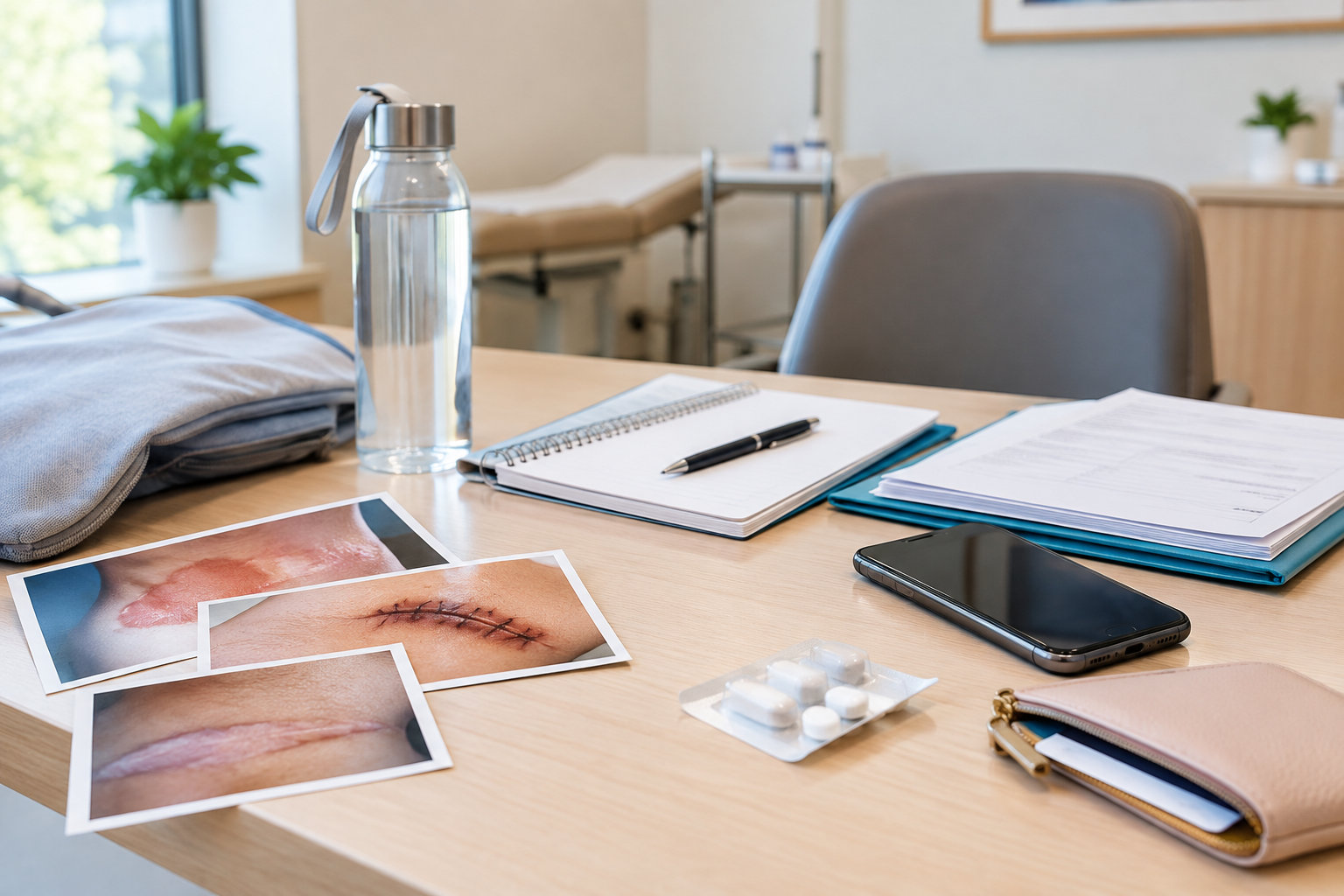
For a reconstructive consultation with Dr Ashutosh Shah at the Adajan clinic (Trinity Business Park, Madhuvan Circle, LP Savani Road), bring discharge summaries, operation notes, histopathology reports, CT or MRI films, and old photographs showing the problem over time. These decide whether surgery is needed now, which stage comes first, and which hospital will be used.
Preparing for a reconstructive surgery consultation can make the first appointment more useful. Whether you have a tight burn scar, an old facial injury, a wound after cancer surgery, or a congenital condition, your previous medical records help the surgeon understand what has happened and what treatment may be appropriate.
Patients searching for a plastic surgeon in Adajan may need more than cosmetic advice. Reconstructive plastic surgery focuses on restoring function, covering tissue defects, improving movement, and addressing changes caused by injuries, burns, cancer treatment, or conditions present from birth.
Dr. Ashutosh Shah assesses reconstructive concerns and discusses possible treatment pathways based on the patient's medical history, examination findings, and available reports.
Key Takeaways
-
Bring discharge summaries, operation notes, previous scans and relevant histopathology reports.
-
Old photographs can help document changes in wounds, scars, swelling and facial appearance.
-
Different reconstructive problems require different records.
-
The first consultation may establish a treatment plan, but additional tests or specialist clearance may be needed.
-
Surgery is planned separately from the clinic consultation, with the hospital and timing determined by the procedure and patient's condition.
Which Reconstructive Problems Are Assessed at the Adajan Clinic?
Reconstructive plastic surgery covers a wide range of problems affecting the skin, soft tissues, and body structures.
Burn Scars and Contractures
A burn scar may become thick, painful,l or tight after healing. If it crosses a joint, it can restrict movement.
For example, a neck burn contracture may make it difficult to look upward, while a scar near the elbow or fingers can limit normal movement.
During the consultation, the surgeon may assess scar maturity, skin quality, joint movement, and whether physiotherapy, splinting, or surgery is appropriate.
Facial Injuries and Nose Reconstruction
Facial injuries can affect the nose, eyelids, lips, cheeks and surrounding tissues.
Patients searching for nose reconstruction near me may have concerns about tissue loss, facial asymmetry, scars or breathing difficulties after an injury.
Previous CT scans, operation notes and photographs can help the surgeon understand the original injury and any earlier reconstruction.
Breast Reconstruction After Cancer
Patients who have undergone mastectomy or other breast cancer surgery may wish to discuss reconstruction.
Those searching for breast reconstruction treatment near me should bring their cancer-treatment records, including the original surgery report, histopathology, and details of chemotherapy or radiation.
Reconstruction may involve implants, tissue-based procedures, or staged treatment. The most appropriate option depends on previous treatment, remaining tissue,s and overall health.
Reconstruction After Skin Cancer Surgery
Removal of skin cancer can sometimes leave a defect that requires grafting or flap reconstruction.
The surgeon needs to review the histopathology report, including margin status, and understand whether additional cancer treatment is planned.
Reconstruction should be coordinated with the treating cancer team.
Cleft and Previous Reconstructive Surgery
Patients with cleft lip, cleft palate or residual concerns after previous reconstructive procedures may require further assessment.
Previous operation records, childhood photographs and treatment summaries can help identify which procedures have already been performed and whether additional treatment may be beneficial.
Which Reports and Scans Should You Carry for Burns, Trauma or Post-Cancer Cases?
Medical records help prevent important details from being overlooked.
A discharge summary may describe the original diagnosis, while an operation note explains which structures were repaired or removed.
Histopathology reports are especially important after cancer surgery because they describe the tissue examined and may include information about tumour margins.
Problem-Wise Document Checklist
|
Problem type |
Reports to bring |
Scans |
Photographs |
Other doctor's letter |
|---|---|---|---|---|
|
Burn scar |
Burn treatment records, discharge summary, previous graft or flap operation notes |
Relevant imaging, if performed |
Early burn, healing-stage and current scar photographs |
Burn specialist or physiotherapist summary, if available |
|
Facial injury |
Emergency records, operation notes, previous reconstruction details |
CT, including 3D reconstruction if available |
Injury and recovery photographs |
Trauma, ENT or maxillofacial specialist's letter |
|
Post-cancer breast |
Mastectomy or lumpectomy operation note, histopathology with margin status, chemotherapy and radiation summary |
Relevant breast imaging |
Previous and current photographs, if available and comfortable to share |
Treating oncologist's letter |
|
Post-cancer skin |
Biopsy, excision report, histopathology and margin status |
Relevant CT or MRI if performed |
Original lesion and healing photographs |
Dermatologist, oncologist or treating surgeon's summary |
|
Cleft |
Birth and treatment history, previous operation notes |
Imaging if previously performed |
Childhood and current photographs |
Previous cleft team's records |
Bring original reports or readable copies. If imaging is available on a CD, USB drive,ive or through a hospital portal, ask the clinic which format can be reviewed.
Do not delay an important consultation simply because one old report is unavailable. Explain what is missing so the surgeon can decide whether it needs to be obtained.
For general appointment preparation, read the Patient guide.
Why Do Old Photographs Matter as Much as Reports?
Medical reports explain what doctors diagnosed or treated. Photographs can show how the affected area has changed over time.
For example, a patient with a burn scar may have photographs showing the original wound, early healing, ing and the development of a tight scar band.
In facial reconstruction, older photographs may help the surgeon understand the patient's previous facial appearance and identify changes caused by trauma.
For post-cancer reconstruction, photographs may document healing after surgery or radiation.
Useful photographs should be clear, dated when possible,ible and taken from comparable angles.
Avoid editing or applying filters that change skin colour, scar texture or wound appearance.
Photographs support the examination; they do not replace medical records or a physical assessment. Sensitive photographs should be shared only through a clinic-approved, privacy-conscious process.
What Happens in the First Consultation and What Is Decided That Day?
The first appointment usually begins with a discussion of the patient's medical history and current concerns.
Dr. Ashutosh Shah may review previous treatment records, examine the affected area, and discuss the patient's goals.
The assessment depends on the problem.
For a burn contracture, the examination may focus on scar tightness and range of motion. For a facial injury, the surgeon may assess symmetry, tissue loss, and functional problems. For post-cancer reconstruction, the discussion may involve previous surgery, radiation, and whether further cancer treatment is planned.
What Can Be Decided During the Appointment?
Depending on the findings, the surgeon may explain:
-
Whether surgery appears necessary or conservative treatment should continue.
-
Whether additional imaging, laboratory tests or specialist opinions are required.
-
Which reconstructive procedures may be suitable.
-
Whether treatment needs to be completed in one operation or several stages.
-
What recovery, follow-up and rehabilitation may involve.
-
Which hospital facilities are needed for the planned procedure.
Not every patient receives a final surgical date during the first visit. Complex reconstruction may require coordination with oncologists, anaesthetists, physiotherapists or other specialists.
Patients can learn more about the surgeon through About Dr Ashutosh Shah.
Plastic Surgeon in Adajan Surat: How Should You Prepare for Your Appointment?
A little preparation can help make the consultation more productive.
Before your appointment, arrange your medical documents in chronological order, beginning with the original diagnosis or injury.
Prepare a short explanation of the main problem and how it affects everyday activities.
For example, rather than saying only that a burn scar feels tight, explain whether it prevents you from lifting your arm, straightening your neck, or opening your hand.
Also bring a current medication list and details of any known allergies.
If you have undergone chemotherapy, radiation, previous grafting or flap reconstruction, make sure these treatments are included in your medical history.
Write down your main questions before the appointment. These might concern surgical options, hospital admission, recovery, expected improvement,t or possible complications.
Where Does Surgery Take Place After an Adajan Consultation?
The clinic appointment is primarily for assessment and treatment planning.
An operation requiring anaesthesia, specialised equipment or hospital admission is arranged at an appropriately equipped hospital.
The specific hospital depends on the planned procedure, available facilities, anaesthesia requirements and the patient's medical condition.
For example, a complex facial reconstruction may require different resources from a relatively small scar revision.
The surgeon should explain the proposed hospital, anticipated admission, preoperative investigations and follow-up arrangements before surgery is scheduled.
Some patients may need clearance from their treating physician or oncologist.
A reconstructive consultation does not automatically mean that surgery will be recommended. Where appropriate, observation, wound care, physiotherapy or other non-surgical treatment may be advised.
Elegance Clinic: Address and Consultation Information
Clinic: Elegance Clinic
Consulting Surgeon: Dr. Ashutosh Shah
Address: Trinity Business Park, Madhuvan Circle, LP Savani Road, Adajan, Surat, Gujarat.
Consultation hours listed in the blog plan:
Monday–Saturday: 10:00 AM–7:00 PM; Sunday: 10:00 AM–1:00 PM
Consultation timings and appointment availability should be confirmed before travelling.
You can check Adajan and Vesu clinic addresses and hours or Book a consultation through the clinic website.
Publishing verification: The address and hours above are supplied in the blog plan. They have not been independently confirmed against the live clinic page or Google Business Profile. Add the verified clinic phone number before publication.
Conclusion
A reconstructive consultation is more useful when the surgeon can review the full history of the problem.
Discharge summaries, operation notes, scans, histopathology reports and older photographs help explain what has already been treated and what may still require attention.
Whether the concern involves a burn contracture, facial injury, post-cancer tissue defect, or previous reconstructive procedure, preparing these records can support a more informed discussion about treatment options.
For an appointment with Dr. Ashutosh Shah, use the clinic's Book a consultation page and confirm the current schedule before visiting.
Frequently Asked Questions
What Are the Consultation Timings at the Adajan Clinic?
Do I Need a Referral Letter From My Oncologist?
Can the Consultation Be Done on WhatsApp First?
Is Parking Available Near Madhuvan Circle?
Can a Family Member Attend the Examination?
How Soon After the Consultation Can Surgery Be Scheduled?
About the Author