
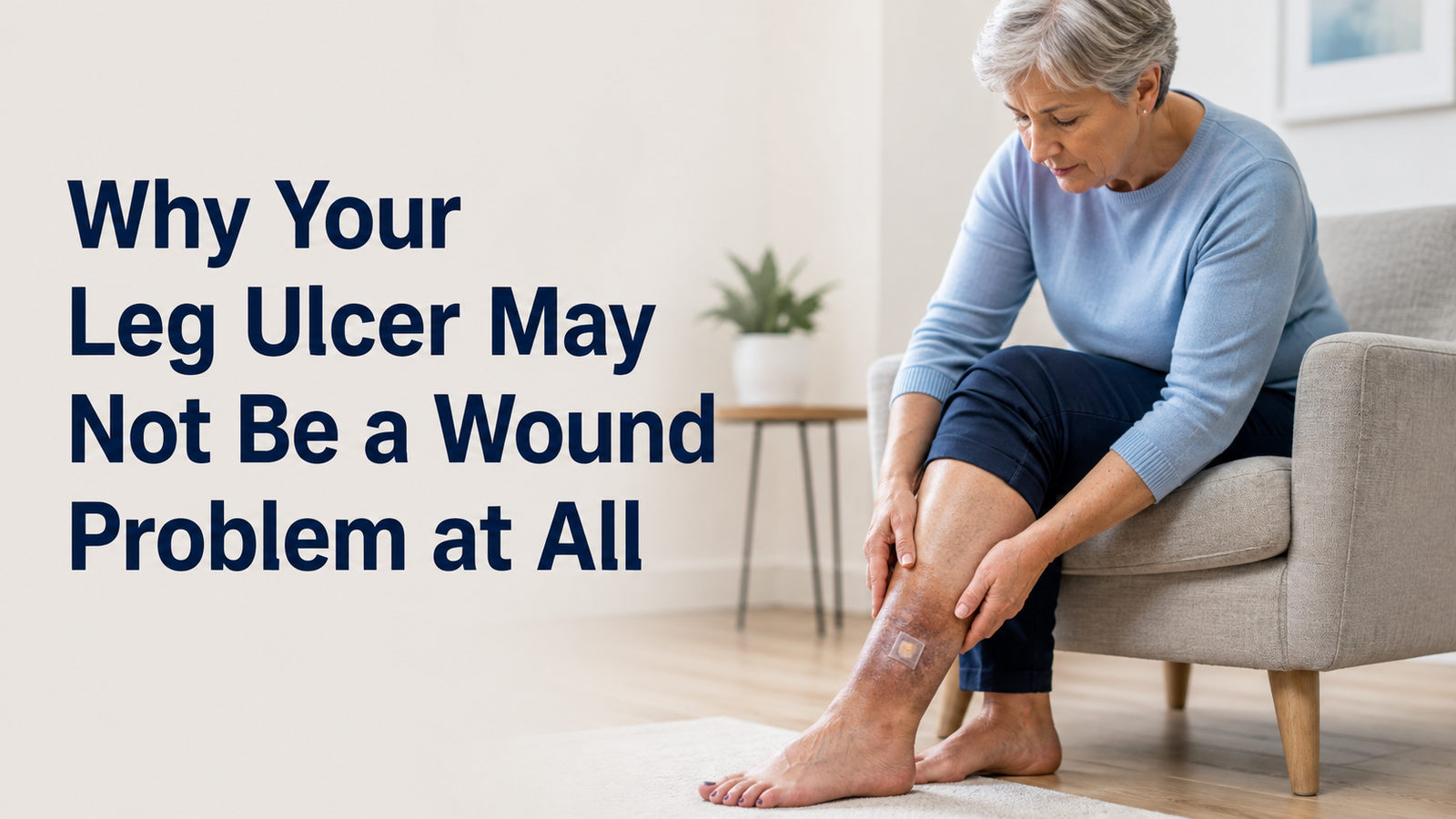
Why Your Leg Ulcer May Not Be a Wound Problem at All
✔ Medically reviewed by Dr. Ashutosh Shah - M.B., M.S., M.Ch., D.N.B., Board-Certified Plastic & Cosmetic Surgeon, Director of Elegance Clinic, Surat (22+ years’ experience).
A leg ulcer may appear to be a simple skin wound, but when it stays open for weeks, repeatedly returns, or fails to improve despite regular dressing, the real problem may be underneath the skin.
In many cases, chronic leg ulcers are linked to problems such as poor circulation, venous insufficiency, diabetes, infection, pressure, or reduced blood flow to the legs. Simply treating the surface wound may not be enough if the underlying cause is not identified.
For people looking for Chronic Leg Ulcer Treatment in Surat, understanding why an ulcer is not healing is an important first step. A vascular specialist such as Dr. Ashutosh Shah can assess the underlying cause and determine whether vascular treatment, wound care, compression, medication, or another approach may be appropriate.
KeyTakeaways
- A chronic leg ulcer can be a symptom of an underlying circulation problem.
- Venous insufficiency is a common contributor to ulcers around the lower leg and ankle.
- Poor arterial blood flow can make wounds difficult to heal.
- Diabetes can increase the risk of chronic wounds and delayed healing.
- Repeated dressing alone may not address the reason an ulcer developed.
- Proper diagnosis is essential before deciding on treatment.
- Early evaluation can help prevent a small ulcer from becoming a more serious wound.
When Is a Leg Ulcer Considered Chronic?
A leg ulcer is generally considered chronic when it fails to heal within the expected healing period or continues to persist despite appropriate care.
A wound that remains open, repeatedly breaks down, produces discharge, becomes painful, or gradually increases in size deserves medical assessment.
Signs that your leg ulcer may need specialist evaluation include:
- The wound is not getting smaller.
- The ulcer keeps reopening.
- There is increasing swelling around the leg.
- The skin around the wound changes colour.
- The leg feels unusually cold or painful.
- There is persistent discharge or unpleasant odour.
- The wound becomes increasingly painful.
- You have diabetes and develop a foot or leg wound.
- You have varicose veins along with a recurring ulcer.
The Problem May Be Your Blood Vessels, Not Just Your Skin
One of the most overlooked aspects of chronic ulcers is circulation.
Your skin and underlying tissues require an adequate supply of oxygen and nutrients to repair themselves. Blood also needs to return efficiently through the veins.
If circulation is impaired, the wound may struggle to progress through normal healing.
There are two major circulation-related mechanisms to consider:
1. Venous insufficiency
When the veins cannot efficiently return blood from the legs toward the heart, blood can pool in the lower limbs.
This may contribute to:
- Leg swelling
- Skin thickening
- Skin discolouration
- Varicose veins
- Recurrent ulcers around the ankle or lower leg
In these situations, treating the ulcer alone may not prevent recurrence. The underlying venous problem may also need assessment.
2. Reduced arterial blood flow
Arteries carry oxygen-rich blood toward the tissues.
If arterial circulation is reduced, the wound may not receive enough oxygen and nutrients for normal healing.
Possible signs can include:
- Pain in the leg while walking
- Cold feet
- Pale or bluish skin
- Weak pulses
- Slow-healing wounds
- Pain that becomes worse at rest in advanced cases
This is one reason a chronic wound should not automatically be assumed to be a simple skin injury.
Diabetes Can Change the Way a Wound Heals
Diabetes is another important factor in chronic wounds.
High blood glucose over time can affect nerves, blood vessels, immunity, and tissue repair. Reduced sensation may also mean that a person does not notice a minor injury until it becomes larger.
A person with diabetes should pay particular attention to:
- Cuts or blisters that do not heal
- Foot wounds
- Changes in skin colour
- Swelling
- Redness
- New pain or discharge
- Areas of pressure or repeated friction
For people with diabetes, early assessment can be especially important because apparently small wounds may progress if the underlying risk factors are not addressed.
Why Regular Dressing May Not Be Enough
Wound dressing has an important role in ulcer care, but dressing the wound does not necessarily treat the cause of the ulcer.
Think of it this way:
Visible problem:
Open wound → dressing → temporary protection
Possible underlying problem:
Venous disease / arterial disease / diabetes / pressure / infection → impaired healing → persistent ulcer
If the underlying cause remains untreated, the wound may continue to struggle with healing or may return after appearing to improve.
That is why chronic ulcer management often requires a cause-based approach, rather than focusing only on the wound surface.
What Causes Chronic Leg Ulcers?
Several conditions can contribute to a chronic leg ulcer.
| Possible Cause | How It May Affect Healing |
|---|---|
| Venous insufficiency | Blood pooling and increased pressure in leg veins |
| Peripheral arterial disease | Reduced oxygen-rich blood reaching tissues |
| Diabetes | Can affect circulation, sensation and wound healing |
| Infection | May damage tissue and delay healing |
| Pressure or friction | Can repeatedly injure the same area |
| Reduced mobility | May contribute to circulation problems |
| Varicose veins | Can be associated with venous ulcer formation |
| Certain inflammatory conditions | May interfere with normal tissue healing |
The correct treatment depends on the underlying cause, wound characteristics, overall health, and circulation status.
How Is a Chronic Leg Ulcer Evaluated?
A specialist may begin with a detailed examination of the wound and the surrounding skin.
Depending on the suspected cause, evaluation may include:
Medical history
Your doctor may ask about:
- Diabetes
- Varicose veins
- Previous ulcers
- Leg swelling
- Smoking
- Previous vascular procedures
- Mobility
- Previous wound treatments
Physical examination
The clinician may assess:
- Wound size and depth
- Skin changes
- Swelling
- Temperature
- Pulses
- Signs of infection
- Sensation
- Overall circulation
Vascular testing
If a circulation problem is suspected, additional vascular investigations may be recommended.
These tests help determine whether the ulcer is associated with venous disease, arterial disease, or another vascular problem.
Chronic Leg Ulcer Treatment: Why the Cause Matters
There is no single treatment that works for every chronic ulcer.
Treatment may involve a combination of approaches depending on the diagnosis.
Wound care
Appropriate wound cleaning, dressing and monitoring can help create an environment suitable for healing.
Compression therapy
For selected venous ulcers, compression can help improve venous circulation. However, compression is not appropriate for everyone and should be used after the circulation has been properly assessed.
Infection management
If infection is present, medical treatment may be required.
Pressure reduction
Reducing repeated pressure or friction can be important for ulcers associated with pressure or diabetic foot problems.
Treatment of venous disease
When venous insufficiency contributes to the ulcer, treating the underlying venous problem may form part of the overall management plan.
Improving arterial circulation
If inadequate arterial blood flow is responsible, vascular treatment may be considered based on the severity and location of the blockage.
The goal is not simply to close the wound temporarily it is to identify and address the factors preventing proper healing.
A Simple Way to Think About Chronic Ulcers
Surface wound
↓
Why isn't it healing?
↓
Check circulation, diabetes, infection, pressure and other causes
↓
Identify the underlying problem
↓
Create an appropriate treatment plan
↓
Monitor healing and reduce the risk of recurrence
This approach is particularly relevant when a wound has been present for a long time or repeatedly returns.
When Should You See a Vascular Specialist?
Consider seeking specialist evaluation if a leg ulcer:
- Does not show improvement with appropriate care
- Keeps returning
- Is associated with significant swelling
- Occurs alongside varicose veins
- Is accompanied by circulation symptoms
- Becomes increasingly painful
- Develops discharge or signs of infection
- Occurs in someone with diabetes
- Is associated with coldness or colour changes in the foot
Sudden severe leg pain, a cold or pale foot, rapidly spreading redness, fever, or rapidly worsening tissue damage requires prompt medical attention.
Chronic Leg Ulcer Treatment in Surat
If you have a non-healing or recurring leg ulcer, identifying the underlying cause is an important part of treatment.
At Elegance Clinic, Surat, Dr. Ashutosh Shah provides evaluation and treatment for vascular conditions associated with chronic leg wounds. Depending on the individual diagnosis, management may involve wound care, vascular assessment, compression-based treatment where appropriate, or treatment of an underlying vascular condition.
The right treatment cannot be determined from the appearance of the ulcer alone. A proper clinical evaluation can help identify why the wound is not healing and what treatment approach may be appropriate.
Conclusion
A chronic leg ulcer is not always just a problem with the skin. Persistent wounds can sometimes indicate an underlying issue involving veins, arteries, diabetes, infection, pressure, or other factors affecting tissue healing.
If your ulcer has remained open despite regular care or keeps returning, treating the wound surface alone may not be enough. Identifying the underlying cause can help guide a more appropriate treatment strategy.
For those seeking Chronic Leg Ulcer Treatment in Surat, consider a specialist evaluation with Dr. Ashutosh Shah at Elegance Clinic to understand the cause of the ulcer and explore suitable treatment options.
Ready to understand why your leg ulcer isn't healing?
Book a consultation with Dr. Ashutosh Shah at Elegance Clinic in Surat for an evaluation of your chronic or non-healing leg ulcer and personalized treatment guidance.
Frequently Asked Questions
What is the fastest way to heal a chronic leg ulcer?
Why is my leg ulcer not healing?
Can a leg ulcer be completely cured?
Can varicose veins cause leg ulcers?
Can diabetes cause non-healing leg ulcers?
Does every leg ulcer require surgery?
About the Author