How Are Varicose Veins Treated? A Complete Guide
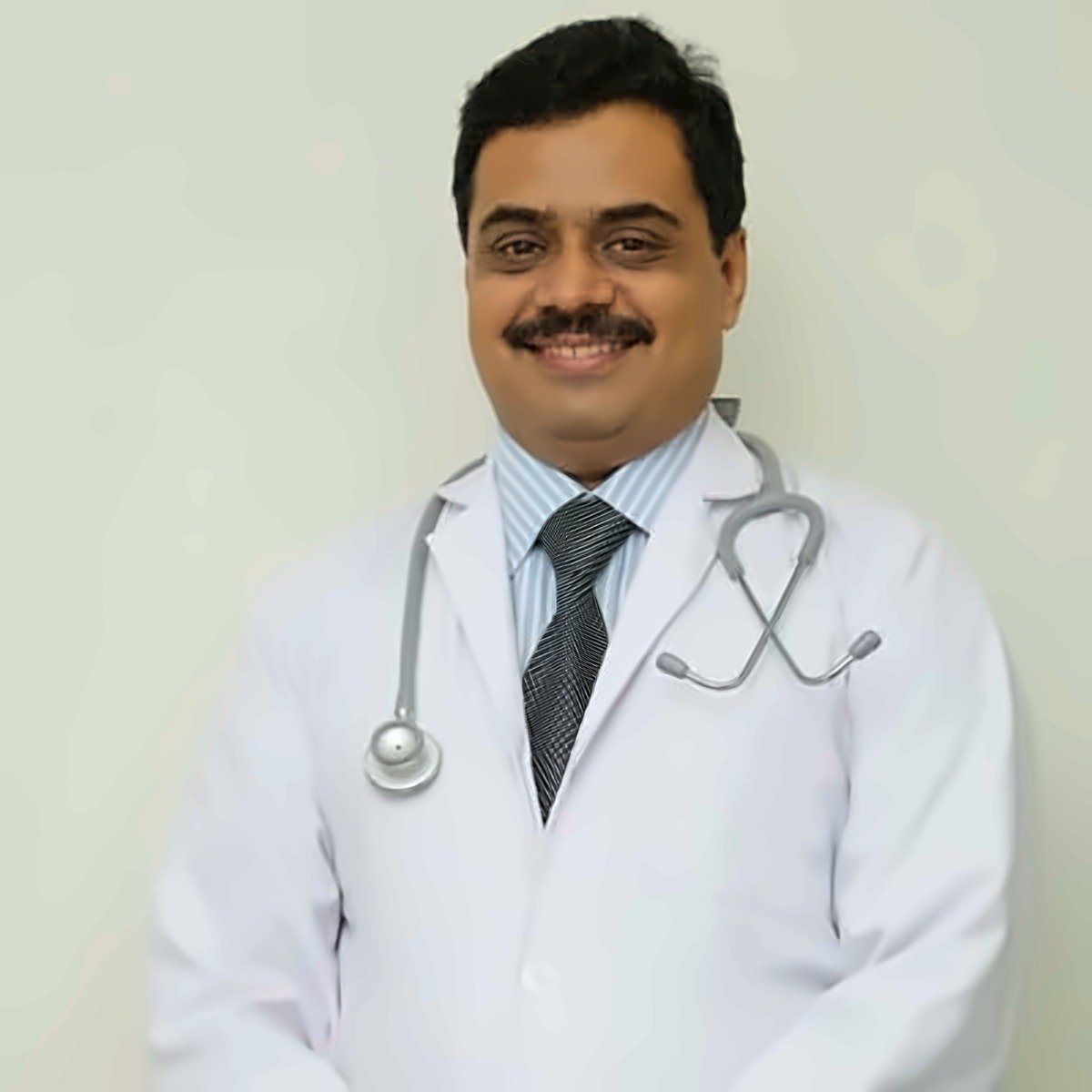
✔ Medically reviewed by Dr. Ashutosh Shah - M.B., M.S., M.Ch., D.N.B., Board-Certified Plastic & Cosmetic Surgeon, Director of Elegance Clinic, Surat (22+ years’ experience).
Varicose veins are a common vascular condition that affects millions of people worldwide. These enlarged, twisted veins usually appear on the legs and can cause discomfort, pain, swelling, and cosmetic concerns. Fortunately, modern medical advancements have made treatment safer, faster, and more effective than ever before.
If you are wondering how varicose veins are treated, this comprehensive guide explains everything you need to know about the condition, its symptoms, causes, diagnosis, and the benefits of Laser Varicose Vein Treatment. Moreover, we will discuss why many patients trust Dr. Ashutosh Shah at Elegance Clinic for advanced vein care.
What Are Varicose Veins?
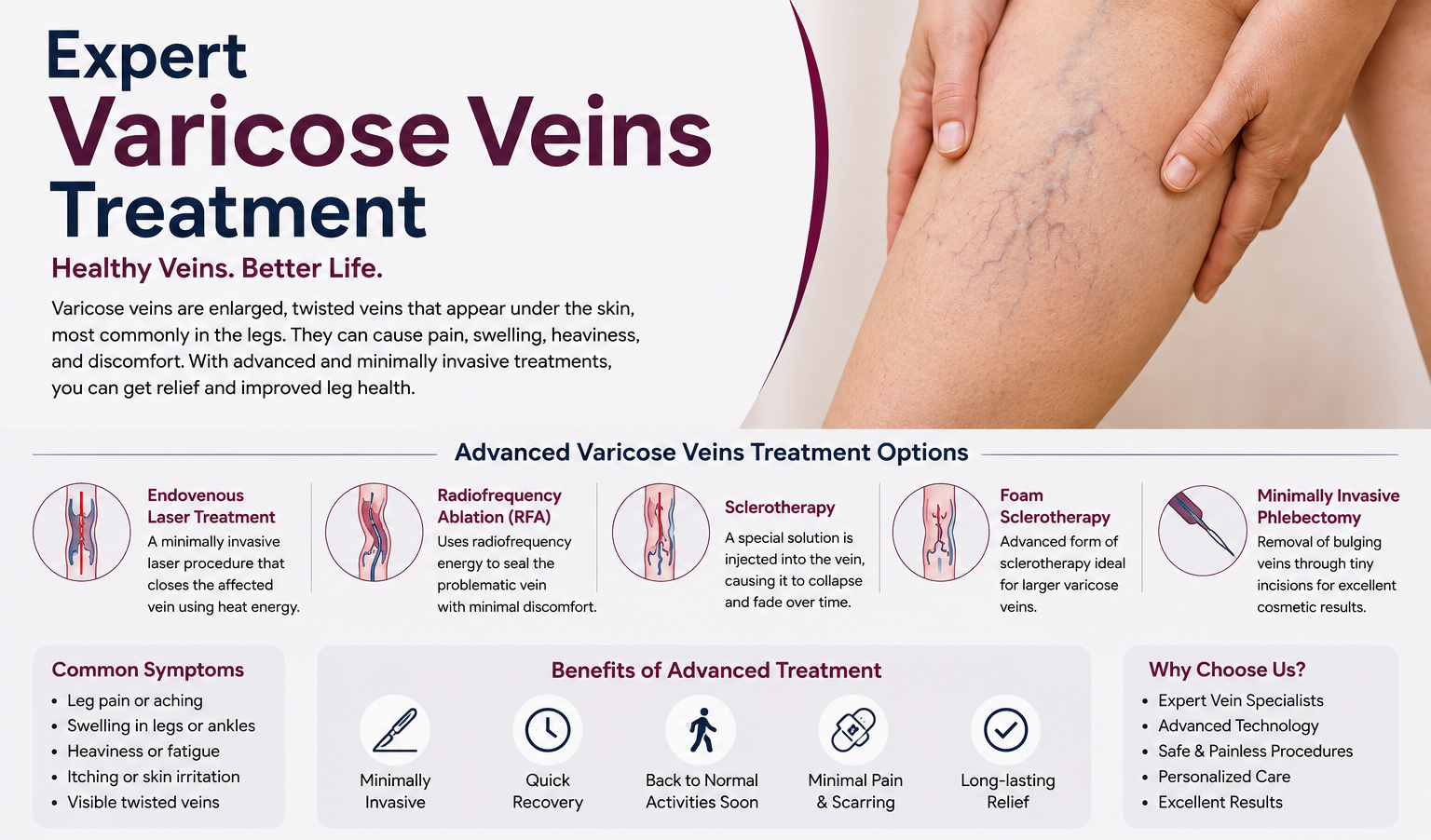
Varicose veins are swollen and enlarged veins that develop when vein valves become weak or damaged. As a result, blood flows backward and accumulates inside the veins instead of moving efficiently toward the heart. Consequently, the veins become enlarged, twisted, and visible beneath the skin.
Although varicose veins can develop anywhere in the body, they most commonly occur in the legs because standing and walking increase pressure on the lower limb veins.
What Causes Varicose Veins?
Understanding these causes can help individuals take preventive measures and seek timely treatment.
Common Causes Include:
- Weak or damaged vein valves
- Increased pressure in leg veins
- Aging and natural wear of vein walls
- Genetic or family history
- Obesity
- Pregnancy
- Prolonged standing or sitting
- Lack of physical activity
- Hormonal changes
What Are the Symptoms of Varicose Veins?
Many people initially notice visible veins. However, the condition often progresses and causes additional symptoms.
Common Symptoms Include:
- Bulging blue or purple veins
- Leg pain or aching
- Heaviness in the legs
- Swelling around the ankles
- Burning or throbbing sensation
- Muscle cramps
- Itching around affected veins
- Fatigue after standing for long periods
- Skin discoloration
Additionally, symptoms may worsen during hot weather or after prolonged standing.
Are Varicose Veins Dangerous?
Many patients believe varicose veins are only a cosmetic concern. However, untreated varicose veins can sometimes lead to complications.
These complications may include:
- Chronic venous insufficiency
- Skin ulcers
- Blood clots
- Bleeding from affected veins
- Persistent swelling
- Skin pigmentation changes
Therefore, early diagnosis and treatment are highly recommended.
How Are Varicose Veins Diagnosed?
Before recommending treatment, a vascular specialist performs a detailed evaluation.
Diagnostic Process
First, the doctor reviews the patient's symptoms and medical history.
Next, a physical examination is performed to assess the veins.
Finally, a Doppler Ultrasound is used to evaluate blood flow and identify malfunctioning valves.
As a result, an accurate treatment plan can be created based on the severity of the condition.
How Are Varicose Veins Treated?
Modern medicine offers several treatment options. However, Laser Varicose Vein Treatment has emerged as one of the most effective and minimally invasive solutions.
While traditional surgery required larger incisions and longer recovery times, laser treatment provides superior comfort and faster healing.
Therefore, many specialists now prefer laser-based procedures for eligible patients.
What Is Laser Varicose Vein Treatment?
Laser Varicose Vein Treatment, also known as Endovenous Laser Treatment (EVLT), is a minimally invasive procedure that uses laser energy to close diseased veins.
During the procedure, a thin laser fiber is inserted into the affected vein through a tiny puncture. Subsequently, controlled laser energy is delivered inside the vein.
As the laser heats the vein walls, the vein collapses and seals shut. Consequently, blood is naturally redirected to healthy veins.
How Does Laser Varicose Vein Treatment Work?
The procedure follows a systematic approach.
Step 1: Ultrasound Mapping
Initially, ultrasound imaging is used to identify the affected vein and plan treatment.
Step 2: Local Anesthesia
Step 3: Laser Fiber Insertion
A thin laser catheter is carefully inserted into the diseased vein.
Step 4: Laser Energy Delivery
Then, laser energy is delivered while the catheter is gradually withdrawn.
Step 5: Vein Closure
As a result, the vein closes permanently and blood flow shifts to healthier veins.
Step 6: Recovery
Finally, patients can usually return home the same day.
Benefits of Laser Varicose Vein Treatment
Laser technology has transformed varicose vein management. Therefore, patients often prefer it over traditional surgery.
Key Benefits Include:
- Minimally invasive procedure
- No major surgical cuts
- Minimal pain and discomfort
- Faster recovery
- Same-day discharge
- Reduced risk of complications
- Excellent cosmetic results
- High success rate
- Quick return to daily activities
- Improved blood circulation
Who Is a Good Candidate for Laser Varicose Vein Treatment?
Laser treatment is ideal for many patients experiencing:
- Symptomatic varicose veins
- Leg pain and heaviness
- Swelling and discomfort
- Venous reflux
- Cosmetic concerns related to visible veins
However, a thorough vascular evaluation is necessary before determining suitability.
Therefore, consultation with an experienced specialist is essential.
What Happens After Treatment?
Recovery is generally smooth and straightforward.
After the procedure:
- Patients are encouraged to walk regularly.
- Compression stockings may be recommended.
- Normal activities can often resume within 24 to 48 hours.
- Follow-up ultrasound examinations may be scheduled.
Furthermore, following post-treatment instructions can enhance recovery and treatment outcomes.
Can Varicose Veins Be Prevented?
Although not all cases can be prevented, healthy lifestyle habits may reduce the risk.
Prevention Tips
- Exercise regularly
- Maintain a healthy weight
- Avoid prolonged standing
- Elevate your legs when resting
- Wear compression stockings if advised
- Stay hydrated
- Follow a balanced diet
In addition, early medical consultation can prevent the condition from progressing.
Why Choose Dr. Ashutosh Shah for Varicose Vein Treatment?
Dr. Ashutosh Shah specializes in the diagnosis and treatment of venous disorders using modern minimally invasive techniques. Furthermore, patients benefit from personalized treatment plans designed to address their specific needs.
At Elegance Clinic, patient comfort, safety, and successful outcomes remain top priorities. Therefore, individuals receive comprehensive evaluation, accurate diagnosis, and advanced Laser Varicose Vein Treatment under expert supervision.
Additionally, the clinic focuses on delivering evidence-based care while ensuring a comfortable treatment experience.
Conclusion
Varicose veins are more than a cosmetic concern. If left untreated, they can lead to discomfort and potentially serious complications. Fortunately, Laser Varicose Vein Treatment offers a modern, minimally invasive, and highly effective solution for managing this condition.
Moreover, early diagnosis and treatment can significantly improve quality of life, reduce symptoms, and prevent disease progression. If you are experiencing symptoms of varicose veins, consulting Dr. Ashutosh Shah at Elegance Clinic can help you explore the most appropriate treatment options and achieve healthier, more comfortable legs.
Frequently Asked Questions
Is Laser Varicose Vein Treatment painful
How long does the procedure take?
How soon can I return to work?
Will the treated veins come back?
About the Author