What should you avoid after varicose vein treatment?
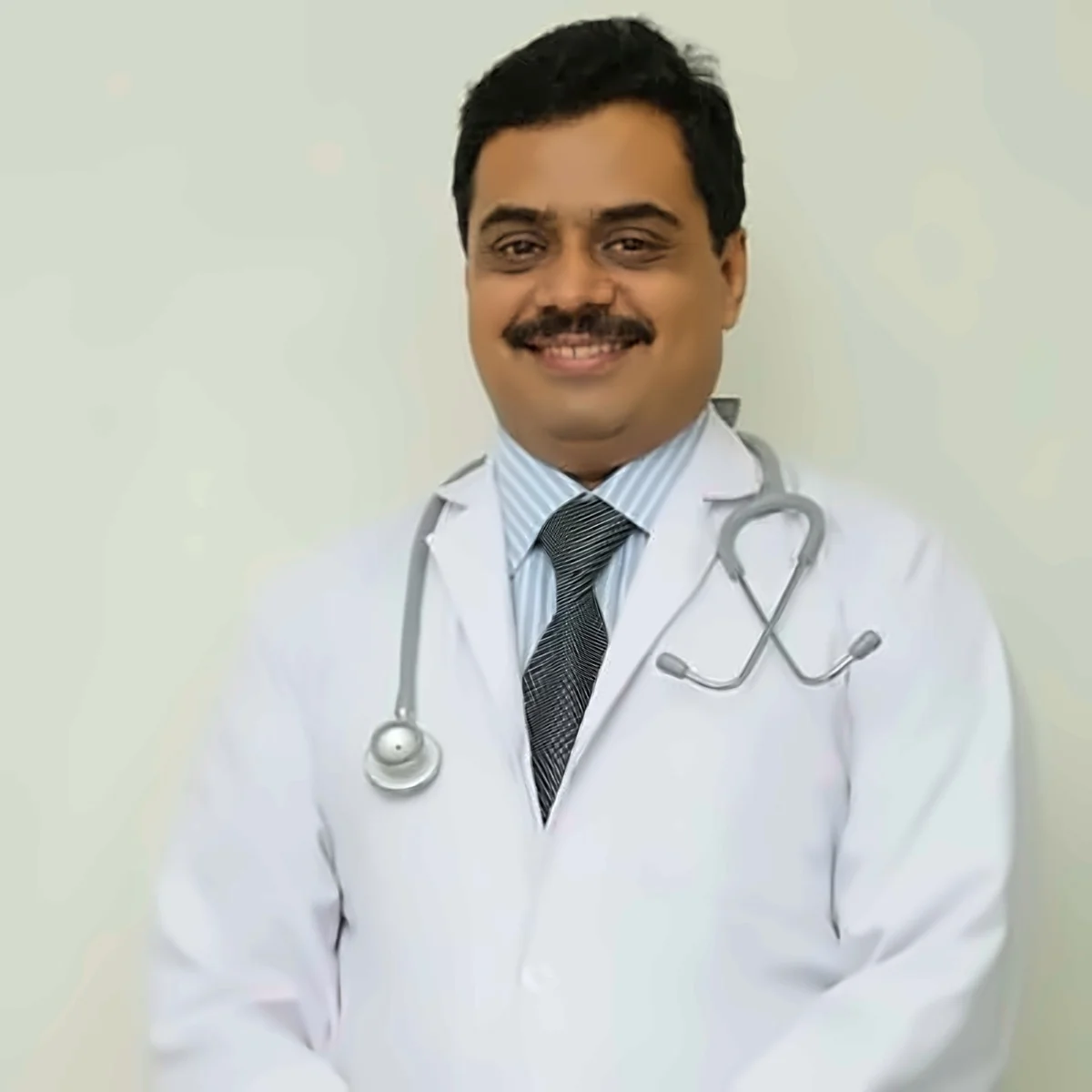
✔ Medically reviewed by Dr. Ashutosh Shah - M.B., M.S., M.Ch., D.N.B., Board-Certified Plastic & Cosmetic Surgeon, Director of Elegance Clinic, Surat (22+ years’ experience).
After varicose vein treatment, avoid strenuous exercise, heavy lifting, prolonged inactivity, smoking, alcohol and exposing healing skin to excessive heat until your doctor advises otherwise. Gentle walking is often encouraged. Follow compression, bathing and medication instructions carefully, attend scheduled reviews and report unusual pain, swelling or other concerning symptoms promptly.
Understanding what to avoid after varicose vein treatment can help patients protect the treated area, reduce preventable complications and return to everyday activities safely.
Recovery instructions differ after endovenous laser treatment, radiofrequency ablation, foam sclerotherapy and surgical vein removal. Some patients resume normal activities quickly, while others need longer restrictions.
At Elegance Clinic, Dr. Ashutosh Shah provides consultations for vascular and related surgical concerns. Patients should follow their individual discharge instructions rather than applying a general recovery schedule.
1. What to Avoid in the First Week
The first week is an important period for following your treatment team's instructions. Mild bruising, tenderness or tightness can occur, but symptoms should be assessed in the context of the procedure performed.
Avoid strenuous exercise and heavy lifting
Running, intense gym workouts, heavy lifting and high-impact activities may need to be postponed.
The appropriate restriction depends on the treatment technique, wound condition and medical history.
Do not remain inactive all day
Rest does not mean complete bed rest.
Gentle walking is commonly encouraged after many minimally invasive vein treatments because movement supports circulation.
Avoid prolonged sitting or standing without movement when your treating team advises regular walking.
Avoid rubbing or scratching the treated area
The skin may feel tender, itchy or sensitive.
Do not massage the treated veins, scratch healing skin or apply unapproved creams.
Follow dressing instructions and keep any treatment sites appropriately protected.
Do not skip prescribed medicines
Take medicines exactly as directed.
Do not independently stop prescribed anticoagulants, pain relief or other regular medication.
If a medicine causes an unexpected reaction, contact the treating team.
Recovery Do-and-Don't Checklist
| Day range | Do | Don't |
|---|---|---|
| Day 0–1 | Follow discharge advice; walk if cleared | Drive after sedation or ignore increasing symptoms |
| Days 2–3 | Follow dressing and compression instructions | Perform strenuous exercise without approval |
| Days 4–7 | Continue recommended movement and monitoring | Soak healing puncture sites before clearance |
| Week 2 onward | Resume activities gradually when approved | Assume all procedures have identical recovery times |
Note: These are general planning stages, not a confirmed clinic recovery protocol. [Surgeon to approve the day ranges and treatment-specific restrictions.]
For background information, read vascular malformation or varicose vein.
2. When Can You Shower, Travel and Drive?
Bathing, travel and driving are common concerns when patients ask what to avoid after varicose vein treatment.
The correct advice depends on whether treatment involved small injections, catheter-based therapy, surgical incisions or sedation.
Showering and bathing
Some patients can shower relatively soon after minimally invasive procedures, while others must keep dressings dry for longer.
Avoid hot baths, swimming pools, saunas and prolonged soaking until your doctor confirms that the skin has healed sufficiently.
Driving after treatment
Do not drive immediately after sedation or general anaesthesia.
Even without sedation, discomfort, leg movement restrictions or medication effects may make driving unsafe.
Resume driving only when you can control the vehicle comfortably and your treating team has cleared you.
Travelling by bus or train
Travel plans should consider walking ability, discomfort, sitting duration and individual clotting risk.
Ask your doctor whether you should move regularly, use prescribed compression or delay a long journey.
Do not assume that travelling immediately after every vein procedure is safe.
Returning to work
Office work and physically demanding jobs may require different recovery arrangements.
Patients who stand for long periods or lift heavy objects should discuss their duties before returning.
For details about available techniques, see laser varicose vein.
3. Food, Smoking and Alcohol Rules
Good recovery involves following medical instructions and supporting normal tissue healing.
There is no single diet that guarantees successful varicose vein treatment.
Eat balanced meals
Include suitable sources of protein, vegetables, fruit and other nutritious foods.
Maintain adequate hydration unless a clinician has advised fluid restrictions.
Patients with diabetes, kidney disease or other medical conditions should follow their prescribed dietary plans.
Avoid smoking and nicotine
Smoking can impair circulation and tissue healing.
Discuss cigarettes, vaping and nicotine-containing products with your surgeon.
Stopping smoking is beneficial for overall vascular health, although the required abstinence period must be personalised.
Be cautious with alcohol
Alcohol may interact with medicines, increase dizziness or affect recovery after anaesthesia.
Avoid alcohol while taking medicines that interact with it and during any restriction period specified by your doctor.
Avoid unnecessary supplements
Do not begin herbal remedies or supplements specifically for vein recovery without discussing them with your clinician.
Some products can interact with prescribed medicines or affect bleeding risk.
4. Clothing, Garments and Sleep Position After Varicose Vein Treatment in Valsad
Compression and clothing recommendations depend on the treatment performed.
Not every patient requires the same garment or duration of use.
Compression stockings
Some patients are prescribed compression stockings after vein treatment.
Wear them according to the recommended pressure, fit and schedule.
Do not independently change the duration or substitute a different compression level.
Comfortable clothing
Choose clothing that does not unnecessarily irritate the treated area.
Avoid tight garments that cause discomfort or interfere with prescribed dressings.
Sleeping position
Many patients can sleep in their usual comfortable position, but restrictions may apply after particular procedures.
Follow individual instructions if elevation or another position is recommended.
Protect healing skin
Avoid unnecessary sun exposure on fresh scars or healing puncture sites.
Once the skin has healed, discuss appropriate scar protection with your doctor.
Patients comparing treatment options can review varicose and vascular surgery.
5. Which Signs Need a Call to the Clinic?
Knowing what to avoid after varicose vein treatment is important, but recognising complications is equally essential.
Some tenderness and bruising may be expected. However, symptoms that become severe or progressively worsen need medical assessment.
Contact your treating team promptly for:
-
Increasing redness, warmth or swelling around a treatment site.
-
Fever or discharge from a wound.
-
Pain that worsens instead of improving.
-
Persistent bleeding or unexpected wound problems.
-
New or increasing swelling in one leg.
Sudden leg swelling or calf pain may indicate deep vein thrombosis and needs urgent medical evaluation.
Seek emergency medical care for sudden breathlessness, chest pain, coughing blood or fainting. These may be signs of a pulmonary embolism.
Do not wait for a routine follow-up appointment when serious symptoms occur.
Follow-up appointments
Attend the reviews recommended by your surgeon.
Some treatments require an ultrasound examination or additional assessment to check the treated veins.
For appointments or postoperative concerns, visit the official contact page.
Conclusion
Understanding what to avoid after varicose vein treatment helps patients plan safer recovery and recognise when additional care is needed.
Avoid unnecessary strain, follow prescribed compression and medication instructions, and maintain appropriate movement.
Dr. Ashutosh Shah, associated with Elegance Clinic, should review the procedure-specific recommendations before this article is published.
Recovery varies between patients and treatment techniques. Personalised discharge instructions always take priority over general online guidance.
Frequently Asked Questions
When Can I Take a Bath?
Can I Travel by Bus or Train?
When Can I Drink Alcohol Again?
Can I Sleep on My Side?
When Can I Go Out in the Sun?
About the Author