Varicose Vein Treatment in Pal, Surat: Procedure, Recovery and Cost Guide
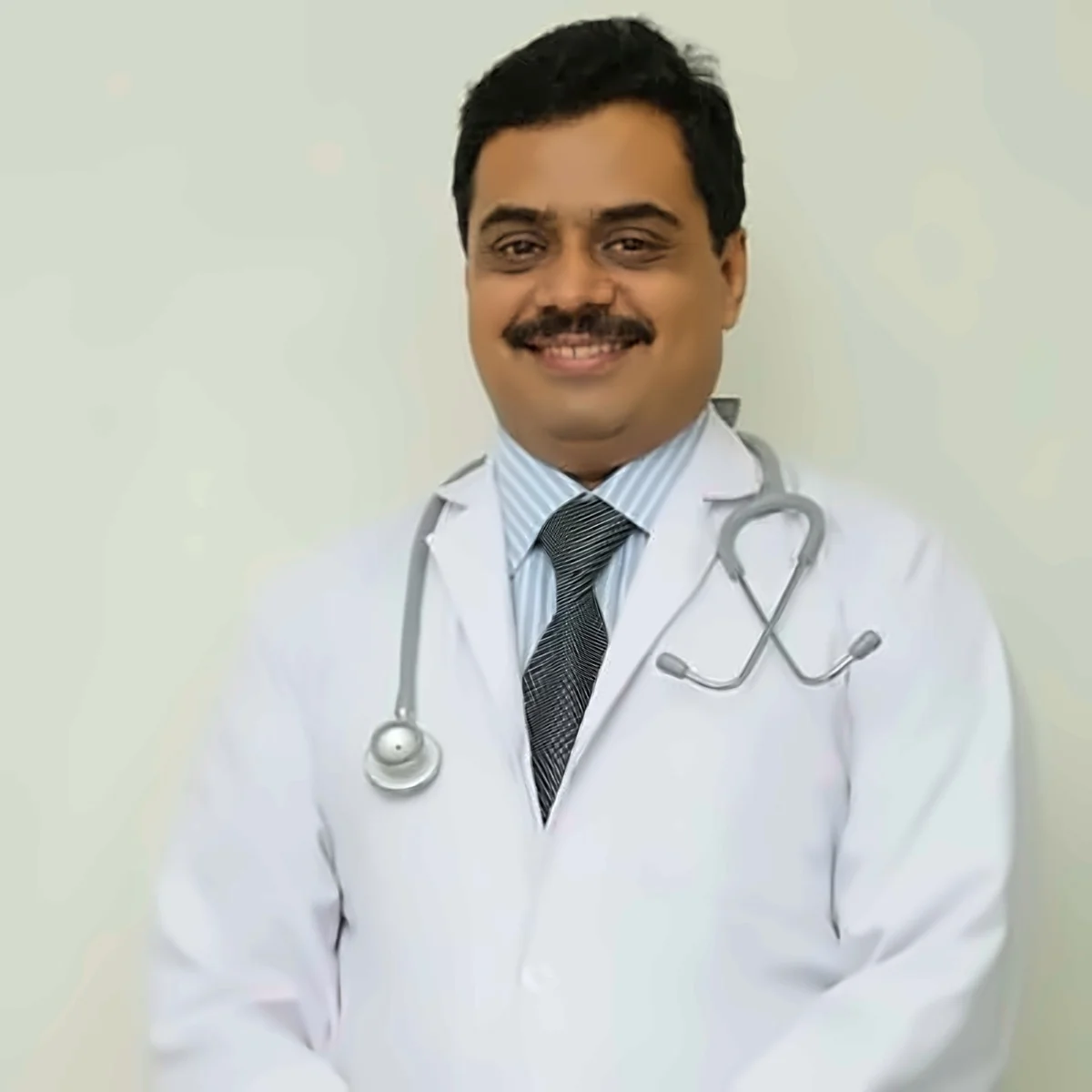
✔ Medically reviewed by Dr. Ashutosh Shah - M.B., M.S., M.Ch., D.N.B., Board-Certified Plastic & Cosmetic Surgeon, Director of Elegance Clinic, Surat (22+ years’ experience).
Varicose vein treatment in Pal Surat may involve compression stockings, lifestyle changes, endovenous laser treatment, radiofrequency ablation, foam sclerotherapy, or selected surgery. The best option depends on the affected veins, symptoms, and Doppler ultrasound findings. Many minimally invasive procedures allow patients to walk shortly afterward, although recovery time and total cost vary according to the treatment required.
Varicose veins are enlarged, twisted veins that commonly appear on the legs. They develop when vein valves stop functioning properly, allowing blood to flow backward and collect in superficial veins.
Some people experience only visible veins, while others develop heaviness, swelling, itching, aching, or skin changes.
If symptoms interfere with daily activities, an assessment can help determine whether treatment is necessary.
This guide explains the available procedures, expected recovery, factors affecting treatment costs, and warning signs that should not be ignored.
What Are Varicose Veins and Why Do They Develop?
Healthy leg veins contain valves that help blood travel upward toward the heart.
When these valves become weak or damaged, blood can flow backward. This is called venous reflux.
Over time, increased pressure may cause superficial veins to enlarge, twist, and become visible beneath the skin.
Common Causes and Risk Factors
Several factors can increase the likelihood of varicose veins:
-
Family history of venous disease.
-
Increasing age.
-
Pregnancy.
-
Prolonged standing or sitting.
-
Previous deep vein thrombosis.
-
Excess body weight.
-
Reduced mobility.
Varicose veins can affect adults of different ages and activity levels.
Standing for long periods may worsen symptoms in people who already have venous reflux.
What Are the Symptoms of Varicose Veins?
Varicose veins do not always cause pain. However, some patients experience progressive discomfort.
Common symptoms include:
-
Enlarged or twisted veins.
-
Leg heaviness.
-
Aching after prolonged standing.
-
Swelling around the ankles.
-
Burning or itching.
-
Night-time discomfort.
-
Skin pigmentation near the ankles.
-
Dry or irritated skin.
In more advanced cases, chronic venous disease may contribute to skin thickening or venous ulcers.
These changes deserve medical assessment rather than relying only on home remedies.
When Should You Seek Medical Attention?
Consult a doctor when symptoms persist, swelling increases, or skin changes develop.
A leg ulcer, recurrent inflammation, or bleeding from a superficial vein also requires prompt evaluation.
Sudden one-sided leg swelling, especially with pain or warmth, needs urgent assessment for a possible blood clot. Chest pain or sudden breathlessness requires emergency care.
How Is Varicose Vein Disease Diagnosed?
Before recommending varicose vein treatment in Pal surat, a specialist evaluates the symptoms, visible veins, medical history, and circulation.
The examination may include checking for swelling, skin changes, tenderness, and signs of venous disease.
Duplex Doppler Ultrasound
Duplex Doppler ultrasound is an important investigation for symptomatic varicose veins.
It helps identify:
-
Veins with faulty valves.
-
The direction of blood flow.
-
The location of venous reflux.
-
The condition of superficial and deep veins.
-
Veins suitable for particular treatments.
The scan helps the doctor develop an individual treatment plan.
Not every visible vein requires surgery. The decision depends on symptoms, ultrasound findings and the patient's goals.
Which Procedures Are Available for Varicose Vein Treatment?
Modern treatment offers several options, ranging from conservative care to minimally invasive procedures.
The most appropriate approach depends on which veins are affected and whether significant reflux is present.
1. Compression Stockings
Medical compression stockings apply graduated pressure to the legs.
They may help reduce swelling and discomfort.
Compression can be useful when intervention is unsuitable, while awaiting treatment or in selected clinical situations.
However, stockings do not permanently repair faulty vein valves.
A clinician should confirm that compression is appropriate, especially when arterial circulation problems are suspected.
2. Endovenous Laser Ablation (EVLA)
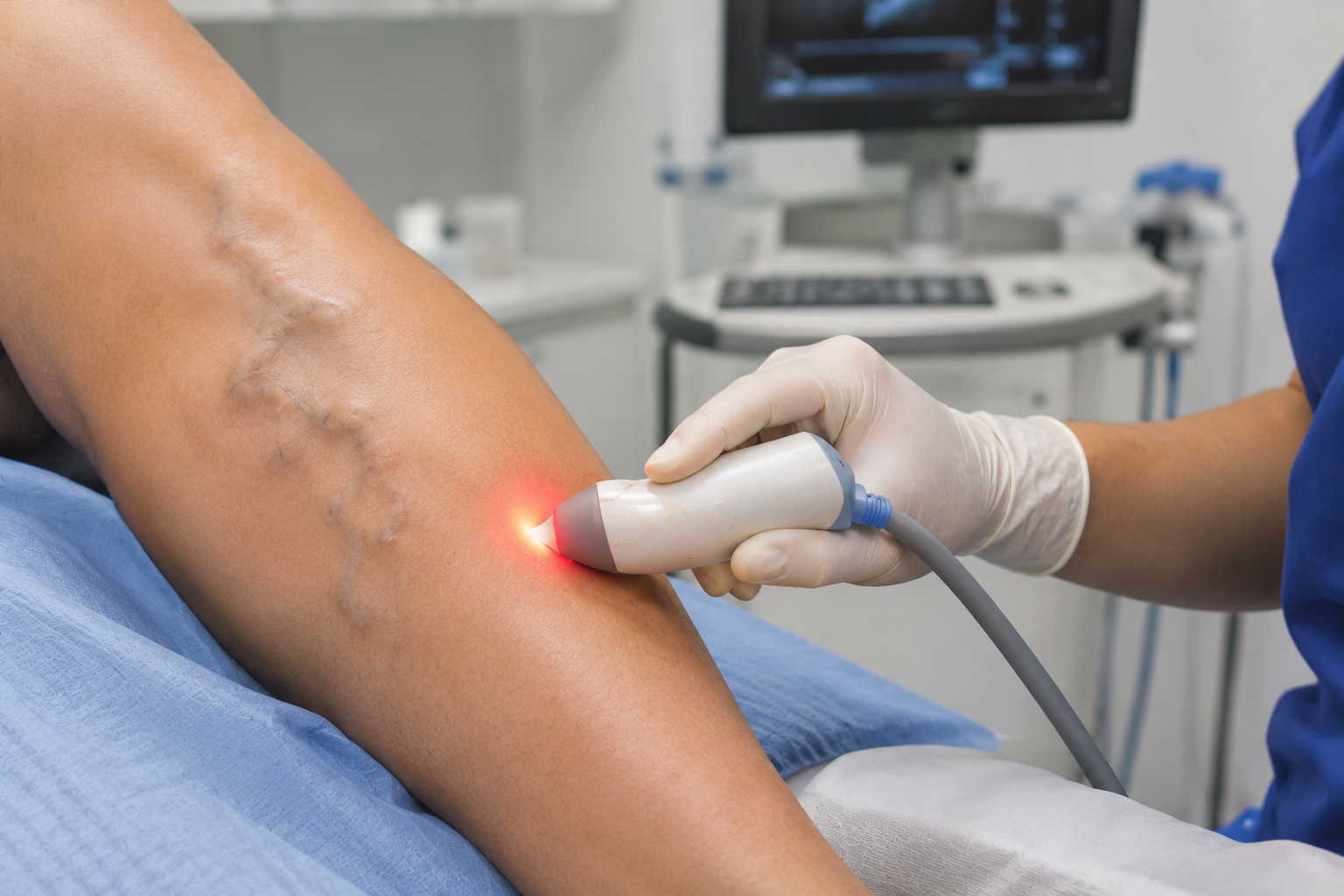
Endovenous laser ablation uses laser energy delivered through a thin catheter placed inside an affected vein.
Laser procedures are used for several vascular conditions, but the technique depends on the type and depth of the affected vessels. The Laser for Vascular Lesions page covers selected superficial vascular lesions. These treatments are different from endovenous laser ablation used for refluxing leg veins.
The heat closes the treated vein, allowing blood to return through healthier veins.
The procedure is usually performed with ultrasound guidance and local anaesthesia.
Possible benefits include:
-
Small puncture sites.
-
No long surgical incision.
-
Early mobilisation.
-
Relatively short recovery for many patients.
Temporary bruising, tightness or tenderness may occur.
Rare but important complications include skin burns, nerve injury, infection and deep vein thrombosis.
3. Radiofrequency Ablation (RFA)
Radiofrequency ablation is another minimally invasive method.
It uses controlled heat from radiofrequency energy to close an incompetent vein.
Like EVLA, RFA is commonly performed under ultrasound guidance.
Patients can often walk soon after treatment, although specific activity advice depends on the procedure and medical findings.
4. Ultrasound-Guided Foam Sclerotherapy
Foam sclerotherapy involves injecting a sclerosant into selected abnormal veins.
The medication irritates the vein lining, causing the treated vein to close.
This technique may be suitable for certain superficial veins, tributaries or recurrent varicose veins.
Some patients require more than one session.
Possible side effects include temporary inflammation, pigmentation, discomfort and, rarely, more serious complications.
5. Ambulatory Phlebectomy
Ambulatory phlebectomy removes selected bulging superficial veins through very small skin openings.
It may be performed alongside treatment of the underlying refluxing vein.
Bruising and local tenderness are common during early recovery.
6. Conventional Varicose Vein Surgery
Conventional surgery, including ligation and stripping, may still be appropriate in selected situations.
However, minimally invasive endovenous techniques are often preferred when suitable.
The choice depends on vein anatomy, available expertise, medical conditions and patient preferences.
For additional details, visit Varicose and Vascular Surgery.
Comparison of Varicose Vein Treatment Options
| Treatment | Main purpose | Typical recovery considerations |
|---|---|---|
| Compression stockings | Symptom management | No procedure-related recovery |
| EVLA | Closes an incompetent superficial vein | Walking soon afterward; temporary bruising or tightness |
| RFA | Closes a refluxing vein using radiofrequency heat | Early mobilisation; temporary tenderness |
| Foam sclerotherapy | Treats selected abnormal superficial veins | Usually short downtime; repeat sessions may be needed |
| Ambulatory phlebectomy | Removes bulging superficial branches | Local bruising and small healing puncture sites |
| Conventional surgery | Removes or disconnects selected diseased veins | Recovery may be longer depending on procedure |
Different procedures are suitable for different patterns of venous reflux. For a more detailed explanation, read How Varicose Veins Are Treated, which discusses the available treatment approaches.
Important: The shortest recovery does not automatically mean the best treatment. Ultrasound findings and long-term suitability matter more than choosing a procedure based only on convenience.
What Is the Cost of Varicose Vein Treatment in Pal, Surat?
The cost of varicose vein treatment in Pal surat depends on the extent of venous disease and the procedure recommended.
There is no single price that applies to every patient.
Factors That Affect Treatment Cost
1. Type of procedure
EVLA, RFA, sclerotherapy, phlebectomy and conventional surgery have different equipment and procedural requirements.
2. One leg or both legs
Treating both legs or multiple abnormal veins may increase the total cost.
3. Severity of venous disease
Extensive reflux, recurrent varicose veins or associated complications may require a more complex treatment plan.
4. Doppler ultrasound
A diagnostic venous Doppler scan may be charged separately or included in a treatment package.
5. Hospital and facility charges
Costs can vary according to the procedure setting, consumables and facility requirements.
6. Follow-up and additional sessions
Some patients need follow-up imaging, further injections or treatment of remaining superficial veins.
What Should a Treatment Estimate Include?
Before agreeing to a procedure, ask whether the quotation includes:
-
Initial consultation.
-
Doppler ultrasound.
-
Procedure and equipment charges.
-
Anaesthesia.
-
Facility fees.
-
Compression stockings.
-
Medicines.
-
Follow-up appointments.
-
Any additional treatment sessions.
A written, itemised estimate helps patients understand the expected expense.
Exact treatment costs should be confirmed after consultation and Doppler assessment. A fixed price without examining the veins may not reflect the treatment actually needed.
How Long Does Recovery Take After Varicose Vein Treatment?
Recovery varies by procedure, health status and the extent of treatment.
Many patients undergoing minimally invasive treatment can walk shortly after the procedure.
However, returning to work and strenuous exercise may require different timelines.
First 24–48 Hours
After a minimally invasive procedure, patients may experience mild discomfort, bruising or tightness.
Short walks are often encouraged.
The treating clinician may recommend compression stockings and provide instructions about wound care, bathing and medication.
First Week
Many patients return to routine desk work or light activities within a few days, depending on symptoms and treatment type.
Patients should follow individual instructions about prolonged standing, heavy lifting and vigorous exercise.
Following Weeks
Bruising and tenderness usually improve gradually.
The treated vein may feel firm or sensitive for some time.
Visible vein changes can continue over several weeks or months.
Follow-up ultrasound may be recommended depending on the procedure and clinical circumstances.
Recovery Checklist
-
Follow the surgeon's walking instructions.
-
Wear compression stockings if prescribed.
-
Take medicines as directed.
-
Keep puncture sites clean and dry as advised.
-
Avoid activities specifically restricted by the treating team.
-
Attend scheduled follow-up appointments.
-
Seek urgent medical attention for severe swelling, significant pain, chest discomfort or breathlessness.
Can Varicose Veins Return After Treatment?
Yes. Varicose veins can recur or new abnormal veins can develop over time.
Successful treatment closes or removes the targeted veins, but it does not eliminate every underlying risk factor for venous disease.
Possible reasons for recurrence include:
-
Development of reflux in other veins.
-
Progression of chronic venous disease.
-
Reopening of a previously treated vein.
-
New superficial vein connections.
-
Persistent or untreated reflux elsewhere.
Regular movement, weight management where appropriate and following medical advice may help manage symptoms.
However, lifestyle measures cannot guarantee that new varicose veins will never appear.
Can Varicose Veins Be Treated Without Surgery?
Some patients can manage mild symptoms through conservative measures.
These may include:
-
Regular walking.
-
Avoiding prolonged immobility.
-
Elevating the legs when resting.
-
Weight management when appropriate.
-
Compression stockings when recommended.
These steps may improve comfort but generally do not correct established venous reflux.
When symptomatic reflux is confirmed, a specialist may recommend an intervention.
The treatment decision should consider symptom severity, complications, scan results and patient preferences.
Why Is Specialist Assessment Important Before Treatment?
Visible veins do not always explain every symptom.
Leg pain and swelling can also result from other vascular, musculoskeletal or medical conditions.
An accurate diagnosis helps prevent unnecessary treatment.
Dr. Ashutosh Shah, MBBS, MS, MCh, DNB, Plastic and Reconstructive Surgeon, is associated with Elegance Clinic. Patients considering vein treatment should have the diagnosis and proposed procedure assessed by an appropriately qualified clinician experienced in venous disease.
A proper consultation should clarify:
-
Whether the symptoms are caused by venous reflux.
-
Which veins are affected.
-
Whether a Doppler scan is required.
-
Whether conservative treatment is reasonable.
-
Which procedure is appropriate.
-
Expected benefits and limitations.
-
Possible complications.
-
Recovery instructions.
-
Total estimated cost.
The goal is to select a treatment based on medical findings rather than appearance alone.
Conclusion
Varicose veins are common, but treatment should be based on symptoms, clinical examination, and Doppler ultrasound findings.
Varicose vein treatment in Pal surat may involve conservative care, EVLA, RFA, foam sclerotherapy, phlebectomy or selected conventional surgery.
Many minimally invasive treatments allow early walking and relatively short downtime, but recovery differs between patients.
Treatment costs also vary depending on the affected veins, procedure, and follow-up requirements.
A specialist consultation helps determine the most suitable approach, explain the expected recovery, and provide an individual cost estimate.
Patients experiencing persistent leg heaviness, swelling, visible enlarged veins, or skin changes should seek appropriate medical evaluation rather than delaying care.
Frequently Asked Questions
Is Laser Treatment Better Than Surgery for Varicose Veins?
How Much Does Varicose Vein Treatment Cost?
How Many Days of Rest Are Needed After Varicose Vein Treatment?
About the Author