
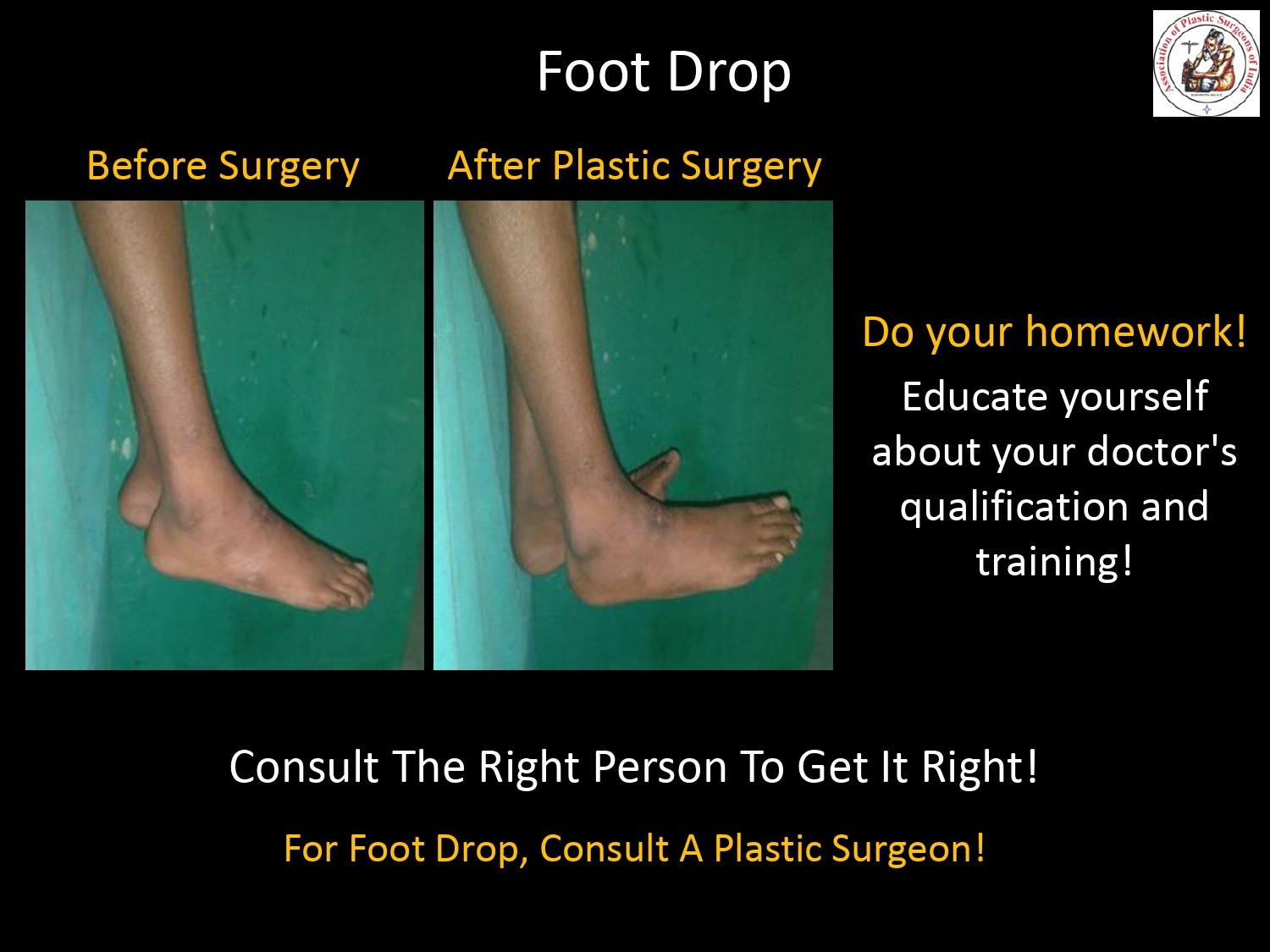
Foot Drop
Foot drop, also known as drop foot, is a condition in which a person has difficulty lifting the front part of the foot. Because of this weakness, the toes may drag on the ground while walking, making normal movement difficult. Foot drop is not a disease itself but a sign of an underlying nerve, muscle, or neurological problem.
People with foot drop often develop an abnormal walking pattern called a steppage gait, where the knee is lifted higher than normal to prevent the toes from dragging. The condition may affect one foot or both feet depending on the cause.
What Causes Foot Drop?
Foot drop occurs when the muscles responsible for lifting the foot become weak or paralyzed. The most common cause is injury or compression of the peroneal nerve, which controls the muscles involved in foot movement.
Common Causes Include:
- Peroneal nerve injury
- Spine problems such as slipped disc
- Nerve compression near the knee
- Diabetes-related nerve damage
- Stroke
- Multiple sclerosis
- Muscular dystrophy
- Spinal cord disorders
- Trauma or fractures around the knee or leg
- Nerve injuries after surgery
Sometimes prolonged leg crossing, squatting, or bed rest may also compress the nerve and contribute to foot drop.
Symptoms of Foot Drop
The severity of symptoms may vary depending on the degree of nerve or muscle involvement.
Common Symptoms Include:
- Difficulty lifting the front part of the foot
- Toes dragging while walking
- High stepping gait
- Slapping sound of the foot while walking
- Weakness in the ankle or foot
- Difficulty climbing stairs
- Frequent tripping or falls
- Numbness on the top of the foot or toes in some patients
Some people may notice sudden onset of symptoms, while others develop gradual weakness over time.
How Foot Drop Affects Daily Life
Foot drop can significantly affect mobility and independence. Simple activities such as walking, climbing stairs, or driving may become difficult.
Many patients become anxious about:
- Falling while walking
- Losing balance
- Difficulty wearing normal footwear
- Reduced physical activity
- Loss of confidence in social settings
Long-standing foot drop may also lead to muscle wasting and abnormal posture if left untreated.
Diagnosis of Foot Drop
Proper evaluation is important to identify the underlying cause.
Doctors may recommend:
- Physical examination
- Neurological assessment
- MRI scan
- CT scan
- X-rays
- Electromyography (EMG)
- Nerve conduction studies
These investigations help determine whether the problem arises from the nerve, spine, muscles, or brain.
Non-Surgical Treatment Options
In some patients, foot drop improves with conservative treatment, especially when the nerve injury is temporary.
Common Non-Surgical Treatments Include:
- Physiotherapy
- Strengthening exercises
- Stretching exercises
- Ankle-foot orthosis (AFO brace)
- Nerve stimulation therapy
- Treatment of underlying medical condition
Braces help support the foot and prevent dragging during walking. Physical therapy helps maintain muscle strength and joint mobility.
Surgical Treatment for Foot Drop
When nerve recovery does not occur or weakness becomes permanent, surgical treatment may be considered.
Tendon Transfer Surgery
One of the most effective surgical procedures for long-standing foot drop is tendon transfer surgery.
In this procedure:
- A functioning tendon is transferred to replace the action of the weak muscles
- The transferred tendon helps lift the foot upward
- Walking becomes smoother and more stable
The goal of surgery is to improve:
- Foot position
- Walking ability
- Balance
- Overall mobility
Tendon transfer procedures are commonly considered when there is permanent nerve damage but some muscles around the ankle are still functioning.
Recovery After Surgery
Recovery after foot drop surgery requires patience and rehabilitation.
Patients may need:
- Temporary immobilization
- Physiotherapy
- Muscle retraining exercises
- Walking support during recovery
- Gradual strengthening exercises
Improvement usually occurs gradually over several months depending on the severity of the condition and overall nerve function.
Benefits of Foot Drop Surgery
Successful treatment can significantly improve mobility and quality of life.
Common Benefits Include:
- Improved walking pattern
- Better foot control
- Reduced risk of falls
- Improved balance
- Greater independence
- Better confidence during daily activities
Many patients are able to walk more comfortably after proper surgical reconstruction and rehabilitation.
Importance of Early Treatment
Early diagnosis is important because delayed treatment may reduce the chances of recovery. Persistent nerve compression or muscle weakness can lead to long-term disability.
Patients experiencing difficulty lifting the foot or dragging of toes while walking should seek medical attention promptly.
Emotional and Psychological Impact
Living with foot drop can be emotionally challenging. Constant fear of falling and difficulty performing routine tasks may reduce confidence and social activity.
Support from family, physiotherapists, and medical specialists plays a major role in recovery and adaptation.
Modern Advances in Foot Drop Management
Advancements in reconstructive surgery, nerve procedures, tendon transfers, and rehabilitation techniques have significantly improved treatment outcomes for foot drop patients.
Modern surgical techniques aim to restore better function while improving overall mobility and independence.
Some patient discussions online also highlight how tendon transfer surgery and rehabilitation helped improve walking ability and reduce brace dependence in selected long-term cases.
Final Words
Foot drop is a condition that causes difficulty lifting the front part of the foot due to nerve or muscle weakness. It can affect walking, balance, and overall quality of life. Common causes include peroneal nerve injury, spinal problems, neurological disorders, and trauma.
While mild cases may improve with physiotherapy and braces, long-standing or severe foot drop may require surgical treatment such as tendon transfer procedures. Early diagnosis, proper rehabilitation, and expert surgical care can significantly improve mobility and daily functioning.
Consultation with a qualified plastic surgeon, nerve specialist, or reconstructive surgeon helps determine the most suitable treatment plan based on the underlying cause and severity of the condition.