
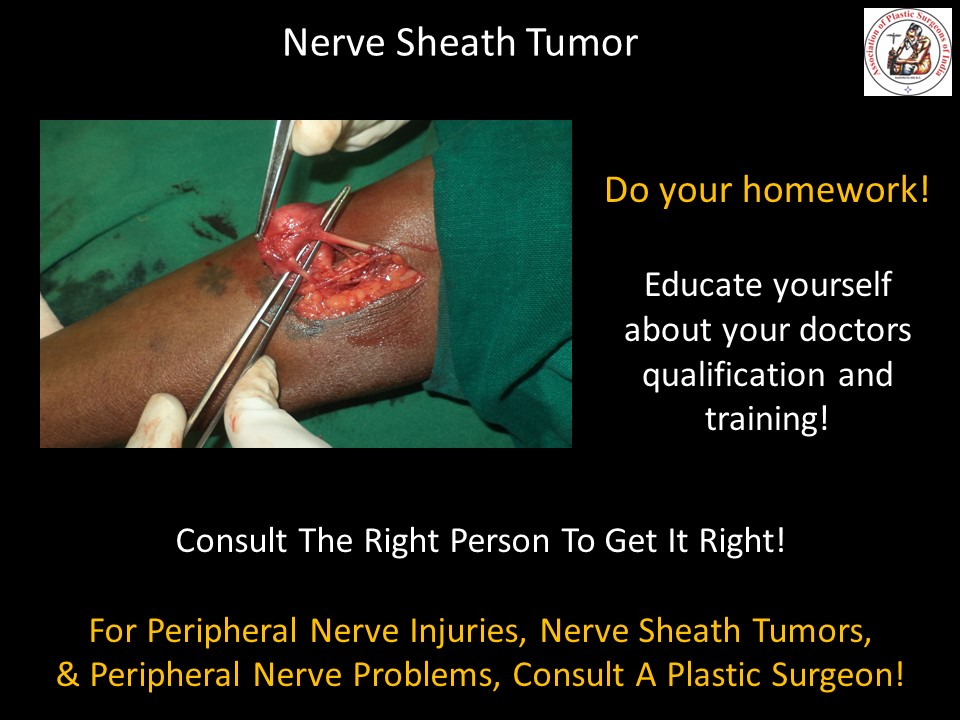
Nerve Sheath Tumour Surgery
Nerve sheath tumors are abnormal growths that develop from the protective covering surrounding nerves, known as the nerve sheath. These tumors can occur anywhere in the body where nerves are present, including the head, neck, arms, legs, and spine. Most nerve sheath tumors are benign (non-cancerous), but some may grow larger over time and compress nearby nerves, muscles, or surrounding tissues.
Although many nerve sheath tumors grow slowly, they can cause pain, numbness, weakness, tingling, or visible swelling depending on their size and location. Early diagnosis and proper treatment are important to prevent nerve damage and improve quality of life.
What are Nerve Sheath Tumors?
Nerves are covered by specialized protective tissue called the nerve sheath. Tumors arising from this tissue are called nerve sheath tumors.
The most common types include:
- Schwannoma
- Neurofibroma
- Malignant peripheral nerve sheath tumor (rare)
Most nerve sheath tumors are benign and slow-growing. However, even non-cancerous tumors may create problems if they press on nearby nerves or important structures.
Common Types of Nerve Sheath Tumors
Schwannoma
Schwannomas arise from Schwann cells, which form the insulating layer around nerves. These tumors are usually benign and well-encapsulated.
They commonly occur in:
- Head and neck region
- Arms and legs
- Spine
- Peripheral nerves
Schwannomas usually grow slowly and may remain painless for years.
Neurofibroma
Neurofibromas are another type of benign nerve tumor that may involve one nerve or multiple nerves.
Some patients may develop multiple neurofibromas as part of a genetic condition called Neurofibromatosis.
Malignant Peripheral Nerve Sheath Tumor
This is a rare cancerous tumor involving nerve tissues. These tumors are more aggressive and require early treatment.
Symptoms of Nerve Sheath Tumors
Symptoms vary depending on:
- Tumor size
- Tumor location
- Nerve involvement
- Pressure on surrounding structures
Common Symptoms Include:
- Swelling or lump under the skin
- Pain along the nerve pathway
- Tingling sensation
- Numbness
- Muscle weakness
- Burning pain
- Electric shock-like sensation
- Reduced movement in affected area
Some tumors may remain painless initially and become noticeable only when they enlarge.
Where Can Nerve Sheath Tumors Occur?
Nerve sheath tumors can develop almost anywhere in the body.
Common Areas Include:
- Neck
- Face
- Arms
- Hands
- Legs
- Feet
- Back
- Spine
Tumors near major nerves may affect movement and sensation significantly if left untreated.
Causes and Risk Factors
In many cases, the exact cause of nerve sheath tumors is not known.
Possible contributing factors include:
- Genetic conditions such as Neurofibromatosis
- Abnormal nerve cell growth
- Previous radiation exposure
- Family history in some cases
Most benign nerve sheath tumors occur without any clear reason.
Diagnosis of Nerve Sheath Tumors
A proper medical evaluation is necessary to determine the type and extent of the tumor.
Doctors may recommend:
- Physical examination
- MRI scan
- CT scan
- Ultrasound
- Nerve conduction studies
- Biopsy in selected cases
MRI is one of the most important investigations because it helps evaluate:
- Tumor size
- Nerve involvement
- Relation to nearby muscles and vessels
- Internal characteristics of the lesion
Early diagnosis helps plan appropriate treatment and avoid nerve complications.
When Should You Consult a Doctor?
Medical evaluation is important if you notice:
- A growing swelling
- Persistent pain
- Numbness or tingling
- Weakness in arms or legs
- Sudden increase in size of a lump
- Difficulty moving the affected part
Early treatment can help prevent permanent nerve damage.
Treatment of Nerve Sheath Tumors
Treatment depends on:
- Type of tumor
- Size
- Location
- Symptoms
- Growth pattern
- Nerve involvement
Small asymptomatic tumors may sometimes be monitored regularly. However, symptomatic or enlarging tumors usually require surgery.
Surgical Treatment
Surgical removal is the most common treatment for symptomatic nerve sheath tumors.
The goals of surgery are:
- Remove the tumor
- Relieve pressure on the nerve
- Preserve nerve function
- Reduce pain and neurological symptoms
Plastic and reconstructive surgeons with microsurgical expertise often perform these surgeries carefully to minimize nerve injury.
Microsurgical Techniques
Modern microsurgical techniques allow surgeons to:
- Identify nerve fibers precisely
- Remove tumors safely
- Preserve important nerve structures
- Improve functional outcomes
Microsurgery uses magnification and delicate instruments to protect nerve tissue during tumor removal.
Recovery After Surgery
Recovery depends on:
- Tumor size
- Nerve involvement
- Surgical complexity
- Overall patient health
Patients may experience:
- Temporary numbness
- Mild weakness
- Swelling
- Post-operative discomfort
In many cases, symptoms such as pain or tingling improve gradually after surgery.
Physiotherapy may sometimes be recommended to improve strength and movement after nerve surgery.
Can Nerve Sheath Tumors Recur?
Benign tumors usually have a low recurrence rate after complete removal. However, recurrence may occur in:
- Incomplete excision
- Genetic syndromes
- Certain aggressive tumors
Regular follow-up is important, especially in patients with multiple nerve tumors.
Complications if Left Untreated
Untreated nerve sheath tumors may lead to:
- Progressive nerve compression
- Chronic pain
- Muscle weakness
- Loss of sensation
- Functional impairment
- Difficulty walking or using the limb
Large tumors may also affect nearby blood vessels and muscles.
Psychological and Emotional Impact
Living with chronic pain, swelling, or nerve-related symptoms can affect confidence and mental well-being. Some patients become anxious due to fear of tumor growth or nerve damage.
Proper diagnosis and treatment often help improve both physical comfort and emotional confidence.
Importance of Early Treatment
Early diagnosis and surgical management provide the best chance of preserving nerve function and preventing complications.
Delaying treatment may increase:
- Tumor size
- Nerve damage
- Surgical difficulty
- Functional impairment
Timely consultation with a qualified plastic surgeon or nerve specialist is important for safe and effective treatment.
Final Words
Nerve sheath tumors are growths arising from the protective covering of nerves. Most are benign, but they can still cause pain, numbness, weakness, and swelling due to pressure on surrounding nerves and tissues.
Modern imaging and microsurgical techniques allow safe diagnosis and treatment with improved preservation of nerve function. Early medical evaluation and proper surgical management are important to prevent complications and maintain quality of life.
Patients experiencing unexplained swelling, tingling, nerve pain, or weakness should consult a qualified plastic surgeon or nerve specialist for proper assessment and treatment.