
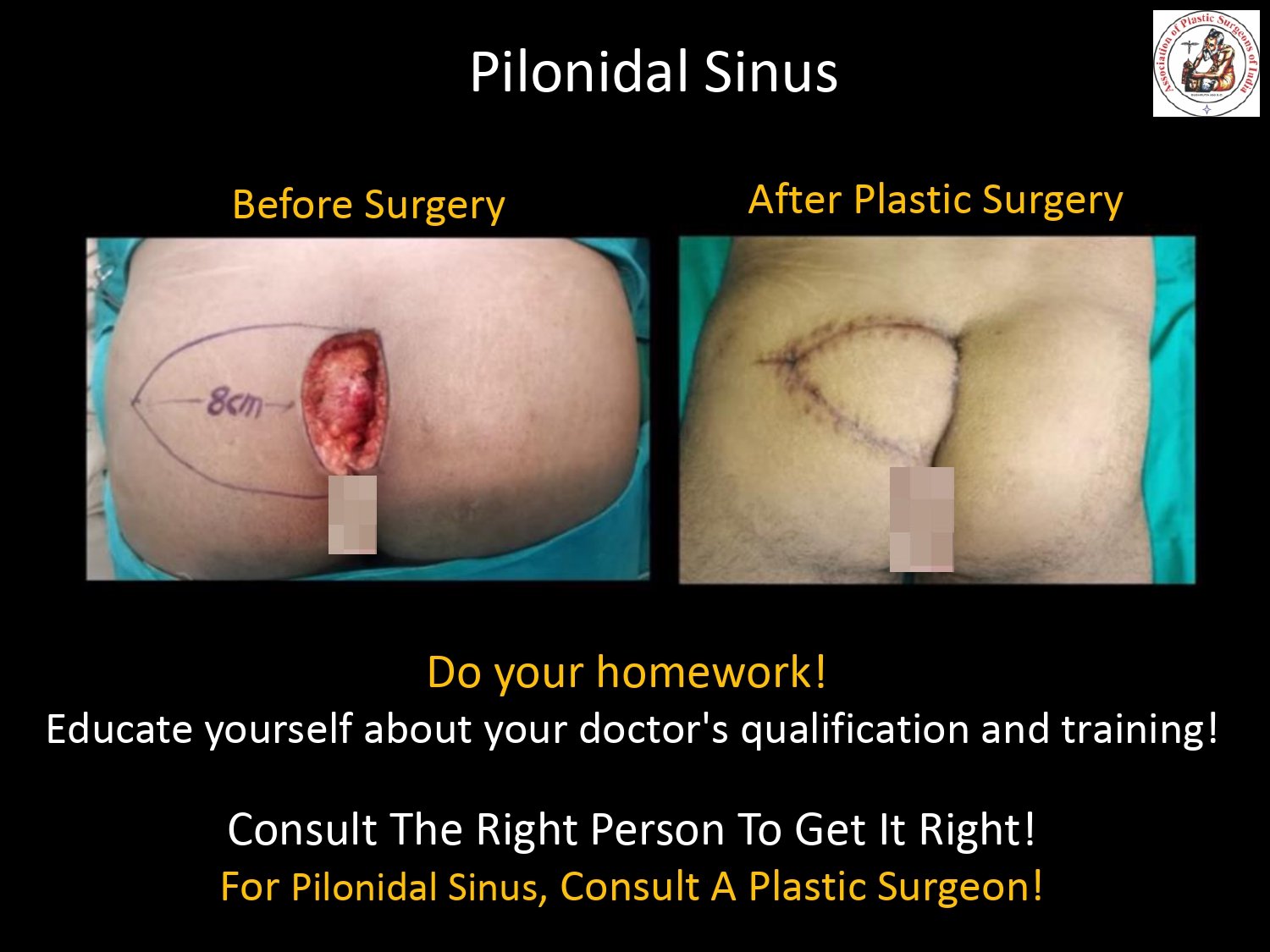
Pilondial Sinus
Pilonidal sinus is a small tunnel or cavity that develops in the skin near the tailbone, usually at the top of the cleft between the buttocks. The condition commonly contains hair, dirt, debris, and infected material. Pilonidal sinus can cause pain, swelling, pus discharge, and repeated infections if not treated properly.
This condition is more common in young adults and is seen more frequently in men. People who sit for long hours, have excessive body hair, obesity, or repeated friction in the lower back area are at higher risk of developing pilonidal sinus.
What is Pilonidal Sinus?
A pilonidal sinus is an abnormal tract or tunnel under the skin near the natal cleft (the groove between the buttocks). It usually develops due to trapped hair and repeated irritation of the skin.
Hair and debris may penetrate the skin and trigger inflammation. Over time, infection and abscess formation can occur, leading to a painful sinus tract with pus discharge.
The condition may appear as:
- A small dimple or pit in the skin
- A painful swelling near the tailbone
- A pus-filled abscess
- A chronic discharging sinus
Causes of Pilonidal Sinus
The exact cause is not always clear, but several factors contribute to pilonidal sinus formation.
Common Causes and Risk Factors Include:
- Ingrown hair
- Excessive body hair
- Friction and pressure
- Long hours of sitting
- Obesity
- Poor hygiene
- Sweating
- Repeated local irritation
- Deep natal cleft
People with sedentary lifestyles such as drivers or office workers are commonly affected. Because of this, pilonidal sinus is sometimes referred to as “Jeep Driver’s Disease.”
Symptoms of Pilonidal Sinus
Symptoms can range from mild discomfort to severe infection.
Common Symptoms Include:
- Pain near the tailbone
- Swelling between the buttocks
- Redness and tenderness
- Pus or blood discharge
- Foul smell
- Difficulty sitting comfortably
- Recurrent infection
- Fever in severe cases
Some patients initially notice only a small pit or dimple in the skin. However, once infection develops, symptoms may become severe and painful.
Acute and Chronic Pilonidal Sinus
Acute Pilonidal Abscess
An acute infection may cause sudden swelling, severe pain, and pus collection. The area becomes red, tender, and extremely uncomfortable.
Chronic Pilonidal Sinus
In chronic cases, repeated discharge, mild pain, and recurrent infections may continue for months or years. Multiple sinus openings may develop over time.
Diagnosis of Pilonidal Sinus
Diagnosis is usually made through clinical examination. Doctors examine:
- Swelling
- Sinus openings
- Hair within the sinus
- Discharge or infection
Most cases do not require extensive investigations unless complications are suspected.
Treatment of Pilonidal Sinus
Treatment depends on:
- Severity of infection
- Size of the sinus
- Presence of abscess
- Chronic recurrence
Early treatment helps reduce complications and recurrence.
Conservative Management
Mild cases without major infection may improve with:
- Good hygiene
- Hair removal
- Antibiotics
- Regular cleaning
- Avoiding prolonged sitting
Hair removal around the affected area may help reduce recurrence in selected patients.
Incision and Drainage
If a painful abscess develops, drainage may be required.
During the procedure:
- Local anesthesia is given
- Pus is drained
- Hair and debris are removed
- Infection pressure is relieved
This helps reduce pain and swelling quickly.
Surgery for Pilonidal Sinus
Surgery is commonly recommended in recurrent or chronic cases.
The goals of surgery are:
- Remove infected tissue
- Eliminate sinus tracts
- Prevent recurrence
- Improve healing
Different surgical techniques may be used depending on the extent of disease.
Common Surgical Options Include:
- Excision and open healing
- Excision with closure
- Flap reconstruction procedures
- Minimally invasive laser procedures
Modern treatments focus on faster recovery and lower recurrence rates.
Laser Treatment for Pilonidal Sinus
Laser-assisted procedures are increasingly used for selected pilonidal sinus cases.
Advantages May Include:
- Smaller wounds
- Less pain
- Faster recovery
- Reduced downtime
- Minimal tissue damage
Laser treatment works by cleaning the sinus tract and using laser energy to close the cavity gradually.
Recovery After Surgery
Recovery depends on the procedure performed and severity of disease.
Patients may experience:
- Mild discomfort
- Dressing requirements
- Temporary restriction of activities
- Gradual wound healing
Doctors usually advise:
- Maintaining hygiene
- Regular dressing changes
- Hair removal around the area
- Avoiding prolonged sitting
- Follow-up visits
Proper wound care is important to reduce recurrence risk.
Can Pilonidal Sinus Recur?
Yes, pilonidal sinus can recur even after treatment if preventive care is not followed properly.
Steps to Reduce Recurrence Include:
- Keeping the area clean and dry
- Regular hair removal
- Maintaining healthy body weight
- Avoiding prolonged sitting
- Wearing comfortable clothing
Long-term hygiene and hair control are important preventive measures.
Complications of Untreated Pilonidal Sinus
If left untreated, pilonidal sinus may lead to:
- Recurrent abscess formation
- Persistent discharge
- Severe infection
- Multiple sinus tracts
- Difficulty sitting or walking
- Chronic pain
Rarely, long-standing disease may lead to more serious complications.
Importance of Early Treatment
Early diagnosis and treatment help:
- Reduce infection
- Prevent chronic sinus formation
- Minimize pain
- Improve recovery
- Lower recurrence risk
Patients with repeated swelling, pus discharge, or pain near the tailbone should consult a qualified surgeon for proper evaluation.
Final Words
Pilonidal sinus is a common condition affecting the area near the tailbone due to trapped hair, friction, and infection. It may cause pain, swelling, discharge, and repeated abscess formation. Young adults and people with sedentary lifestyles are more commonly affected.
Treatment ranges from hygiene care and drainage procedures to advanced surgical and laser treatments. Early medical attention and proper post-treatment care are important for successful healing and prevention of recurrence.