
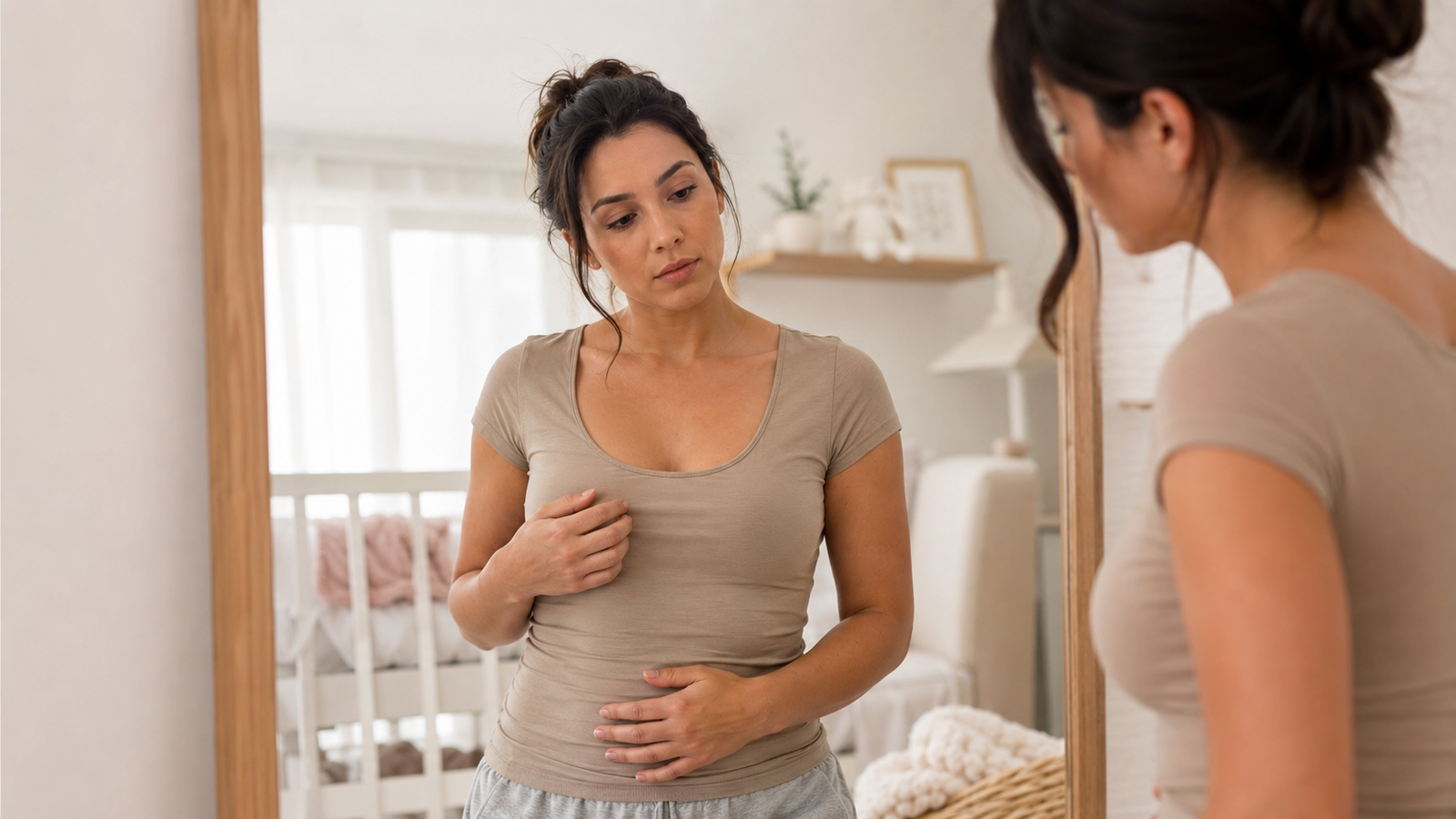
Why Your Breasts Can Sag After Pregnancy Even Without Breastfeeding
✔ Medically reviewed by Dr. Ashutosh Shah - M.B., M.S., M.Ch., D.N.B., Board-Certified Plastic & Cosmetic Surgeon, Director of Elegance Clinic, Surat (22+ years’ experience).
Breast sagging after pregnancy can happen even if you never breastfed. Many women assume breastfeeding is the main reason breasts lose their shape, but pregnancy itself can cause significant changes in breast volume, skin elasticity, and supporting tissues. At Elegance Clinic in Surat, Dr. Ashutosh Shah can assess these changes and discuss suitable options for women concerned about breast shape after pregnancy.
What Causes Breast Sagging After Pregnancy?
During pregnancy, hormonal changes prepare the breasts for milk production. The breasts may become larger and heavier as glandular tissue and volume increase.
After pregnancy, these changes can gradually reverse. Breast tissue may decrease in volume, while the skin that stretched during pregnancy may not completely return to its previous tightness.
This can result in:
- Lower-positioned breasts
- Reduced upper-breast fullness
- Stretched breast skin
- Changes in nipple position
- A flatter or deflated appearance
- Differences in breast shape or symmetry
This process is commonly referred to as breast ptosis, or breast sagging.
Why Can Breast Sagging Happen Without Breastfeeding?
Breastfeeding is often blamed for breast changes, but it is not the only factor.
1. Pregnancy stretches the breast skin
Breast enlargement can stretch the skin and supporting tissues. When breast volume later decreases, the stretched skin may remain looser.
2. Breast volume can change significantly
Breasts can become noticeably fuller during pregnancy and then lose some of that volume afterward. The resulting change can make sagging more visible.
3. Genetics influence skin elasticity
Some women naturally have more elastic skin and stronger connective tissues, while others may experience more stretching and reduced skin recoil.
4. Multiple pregnancies can increase changes
Repeated cycles of breast enlargement and reduction may contribute to changes in breast shape over time.
5. Age also matters
Skin gradually loses collagen and elasticity with age. Pregnancy-related changes may therefore become more noticeable depending on when pregnancy occurs.
6. Weight fluctuations can affect breast shape
Weight gain during pregnancy followed by postpartum weight loss can change the amount of fatty tissue in the breasts, potentially affecting their volume and position.
Does Breastfeeding Cause Breast Sagging?
Breastfeeding itself is not considered the sole cause of breast sagging. Pregnancy-related breast enlargement, changes in breast volume, genetics, age, skin elasticity, and weight fluctuations can all influence breast shape.
This distinction is important because women who did not breastfeed can still experience noticeable breast sagging after pregnancy.
How Do You Know If You Have Breast Ptosis?
Breast sagging can range from mild to more pronounced. Common signs include:
- The breasts sit lower on the chest.
- The nipples point downward or sit lower than before.
- The upper portion of the breasts appears less full.
- Breast skin appears stretched or loose.
- The breasts appear flatter or elongated.
- One breast may appear lower than the other.
A consultation can help determine whether the primary concern is skin laxity, loss of breast volume, breast position, or a combination of these factors.
Can Breast Sagging After Pregnancy Be Corrected?
The appropriate treatment depends on the degree and type of breast changes.
For some women, lifestyle measures and maintaining a stable weight may help support overall breast appearance, but they cannot remove significantly stretched skin or reposition a lowered nipple.
When structural sagging is present, breast lift surgery, medically known as mastopexy, may be considered.
A breast lift can help:
- Remove excess or loose skin
- Reshape the breast
- Improve breast position
- Reposition the nipple-areola complex when necessary
- Create a more lifted and balanced breast contour
The goal is not simply to make the breasts smaller or larger. The procedure is designed to improve breast position and shape according to the individual's anatomy and aesthetic goals.
Breast Lift vs. Breast Implants After Pregnancy
These are not necessarily the same treatment.
A breast lift primarily addresses sagging and breast position. An implant adds volume and may be considered when a woman also wants increased fullness.
Depending on the individual's anatomy, a surgeon may discuss:
- Breast lift alone
- Breast augmentation
- Breast lift with augmentation
- Other individualized surgical approaches
The right choice depends on factors such as existing breast volume, skin quality, degree of ptosis, nipple position, and desired outcome.
When Is It Better to Consider Breast Lift Surgery?
It is generally worth discussing breast lift surgery after the breasts have had time to settle following pregnancy and breastfeeding, if applicable.
Before considering surgery, women should ideally have:
- A relatively stable body weight
- Completed the major postpartum breast changes
- Realistic expectations about the outcome
- A clear understanding of potential risks and recovery
If you are considering another pregnancy soon, discussing the timing with a qualified plastic surgeon is particularly important because future pregnancy can alter the surgical result.
Can Exercise Prevent Breast Sagging After Pregnancy?
Exercise can strengthen the chest muscles underneath the breasts and support overall fitness, but it cannot directly tighten stretched breast skin or reposition breast tissue.
Exercises such as chest presses and push-ups may improve the underlying chest musculature, but they should not be considered a replacement for surgical correction when significant breast ptosis is present.
Why a Personalized Assessment Matters
Not every woman experiences the same type of breast change after pregnancy.
One woman may mainly have loss of upper-breast fullness, while another may have significant skin laxity and a downward-pointing nipple. Someone else may have both volume loss and sagging.
That is why treatment should be based on an individual assessment rather than simply choosing a procedure based on breast size or age.
At Elegance Clinic, Surat, Dr. Ashutosh Shah can evaluate breast shape, skin quality, nipple position, volume changes, and overall goals before discussing appropriate breast correction options.
Key Takeaways
- Breast Sagging After Pregnancy can occur even without breastfeeding.
- Pregnancy itself can stretch breast skin and supporting tissues.
- Changes in breast volume after pregnancy can make sagging more noticeable.
- Genetics, age, weight changes, and the number of pregnancies can influence breast shape.
- Breast lift surgery, or mastopexy, may help address significant breast ptosis.
- Breast implants and breast lifts serve different purposes and may sometimes be combined.
- A personalized consultation is important before choosing treatment.
Conclusion: What Can You Do About Breast Sagging After Pregnancy?
Breast Sagging After Pregnancy is not necessarily caused by breastfeeding. Pregnancy-related breast enlargement, postpartum volume changes, skin stretching, genetics, age, and weight fluctuations can all contribute to changes in breast shape.
If your breasts have become noticeably lower, less full, or changed in shape after pregnancy, a consultation can help determine whether the concern is primarily related to breast ptosis, volume loss, or both.
Looking for breast lift or breast ptosis correction in Surat? Consult Dr. Ashutosh Shah at Elegance Clinic to discuss your breast shape, concerns, expectations, and suitable treatment options.
Schedule a personalized consultation at Elegance Clinic in Surat to learn whether breast lift surgery or another breast correction approach is appropriate for you.
Frequently Asked Questions
Can breasts sag after pregnancy without breastfeeding?
Is breastfeeding the main cause of breast sagging?
How can I fix breast sagging after pregnancy?
Will exercise lift sagging breasts after pregnancy?
Do I need breast implants after pregnancy?
When can I have a breast lift after pregnancy?
About the Author